סיאטיקה (אישיאס) — פיזיותרפיה בתל אביב
סיאטיקה היא כאב המקרין לרגל לאורך מסלול עצב הסכיאטיק — לרוב משורש עצב L4, L5 או S1 בעמוד השדרה המותני. הסימן הקליני העיקרי הוא כאב חד-צדדי היורד מתחת לברך. ברוב המקרים התוכנית הנכונה נראית דומה: סינון מדויק של דגלים אדומים ובדיקה נוירולוגית, בדיקת העדפה כיוונית, תוכנית פעילות מדורגת ברורה, ומסמך כתוב שאפשר לפעול לפיו עם או בלי ביקורים נוספים. כ-85%-90% מהסיאטיקות חולפות בטיפול שמרני תוך 6-12 שבועות (Konstantinou & Dunn, Spine 2008).
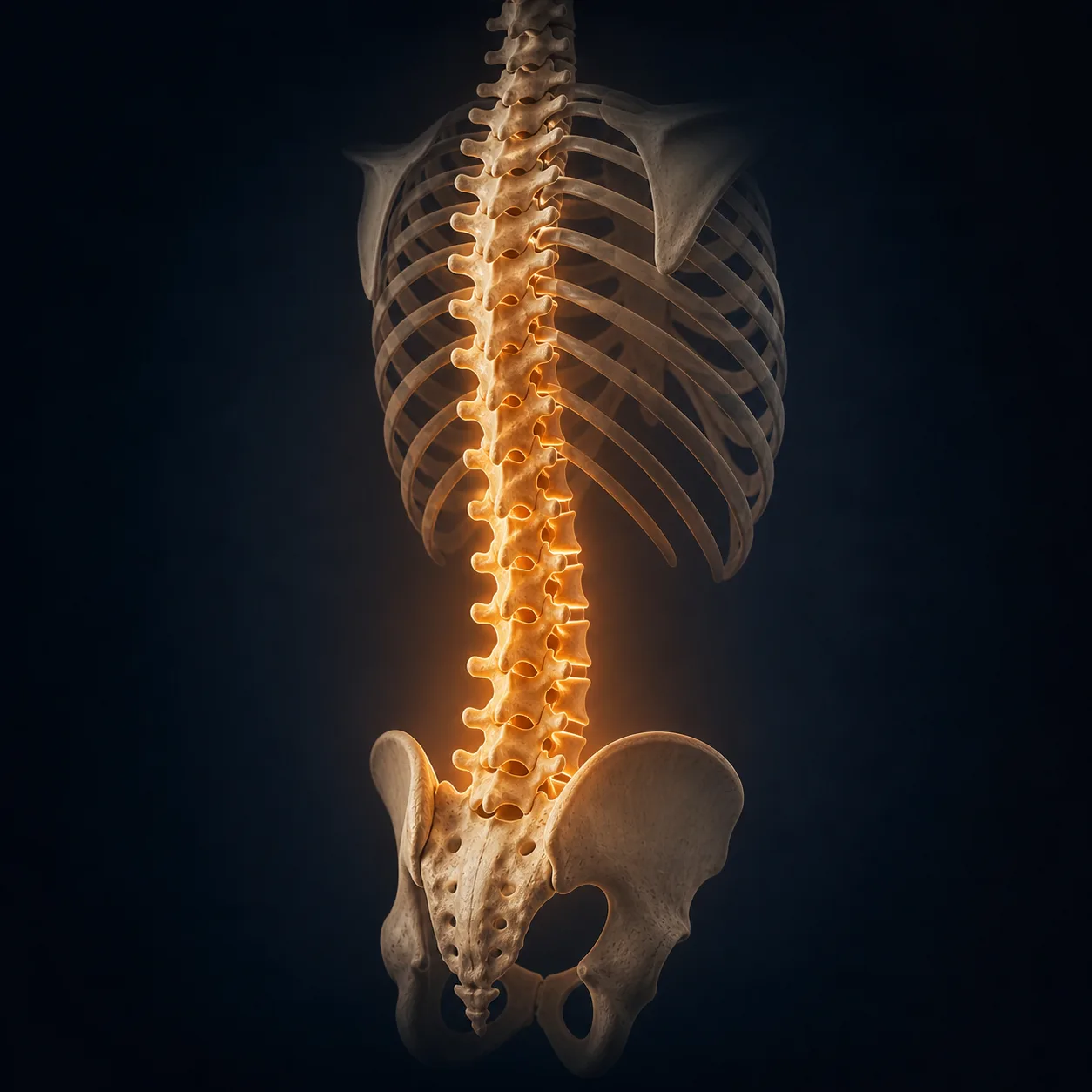
בתכל'ס — סיאטיקה בשפה פשוטה
- מה זה: כאב שיורד מהגב התחתון לאורך הרגל ומתחת לברך, כי דיסק במותני לוחץ על שורש עצב (בד"כ L4, L5 או S1).
- מה עושים עכשיו: ממשיכים לזוז — מנוחה במיטה לא מזרזת החלמה. כדאי לבדוק איזו תנועה (למשל יישור הגב) מקלה על הכאב ברגל ומחזירה אותו כלפי הגב.
- כמה זמן זה בדרך כלל אורך: רוב המקרים (כ-85%-90%) משתפרים תוך 6-12 שבועות בטיפול שמרני, בלי ניתוח.
- מתי זה דחוף: אם יש קושי בשליטה על שלפוחית/מעיים, נימול באזור האוכף, חולשה מחמירה ברגל (כולל "נפילת" כף רגל), או כאב לילי חמור עם חום/ירידה במשקל — זה חדר מיון, לא פיזיותרפיה.
- מה זה לא: לא כל כאב רגל הוא סיאטיקה — אם הכאב לא יורד מתחת לברך או מופיע משני הצדדים בהליכה, ייתכן מקור אחר (למשל היצרות תעלת השדרה או תסמונת הפיריפורמיס).
ראו גם: היצרות תעלת השדרה · כאב גב תחתון — המדריך · קביעת תור — ₪480
מה חשוב לדעת על סיאטיקה?
- סיאטיקה היא כאב המקרין מתחת לברך, לרוב משורש עצב L4, L5 או S1 בעמוד השדרה המותני — בדרך כלל ממקור דיסק.
- רוב המקרים (כ-85%-90%) חולפים בטיפול שמרני תוך 6-12 שבועות (Konstantinou & Dunn, Spine 2008).
- מחקר Peul (NEJM 2007) שכלל 283 מטופלים עם סיאטיקה חמורה הראה החלמה נתפסת של 95% לאחר שנה בקבוצת ניתוח מוקדם ובקבוצה השמרנית כאחד — הניתוח האיץ את הקלת כאב הרגל אך לא שינה את התוצאה בשנה.
- מנוחה במיטה אינה יעילה (Vroomen, NEJM 1999): 87% השתפרו ב-12 שבועות בין אם נחו או נשארו פעילים.
- ההערכה מחפשת צנטרליזציה — כיוון תנועה שמושך את כאב הרגל חזרה אל עבר עמוד השדרה. Long וחב' (Physiother Can 2008 · Free PDF) דיווחו על 84% שיפור כאשר מטופלים הועברו לתרגיל ספציפי-כיוון המותאם להעדפה שלהם.
מדריך מעשי נוסף בבלוג: חוסר תחושה ברגל — מתי זה עצב ומתי דגל אדום?.
כאב גב תחתון הוא הסיבה השכיחה ביותר לפנייה לפיזיותרפיה — וברוב המקרים לא נדרש ניתוח. למדריך המלא: כאב גב תחתון — אבחון וטיפול.
מה אתם מקבלים בפגישה הראשונה
- אנמנזה מלאה ומיפוי תסמיניםלאן הכאב מקרין, מה מעורר אותו, מה מקל, התבנית ב-24 שעות, דרישות עבודה וחיים — נרשם על-ידי הקלינאי, לא בטופס.
- סינון דגלים אדומים ובדיקה נוירולוגיתתפקוד שלפוחית, מעיים ותחושה באזור האוכף, כוח בגף תחתון, תחושה, רפלקסים, מבחן SLR, מבחן Slump, SLR מצולב.
- בדיקת העדפה כיווניתאנחנו בודקים תנועות חוזרות כדי למצוא כיוון שמבצע צנטרליזציה לכאב הרגל חזרה אל עבר עמוד השדרה — שיטת מקנזי / MDT. זה מכריע את התוכנית.
- בדיקת משימות תפקודיותסיבולת ישיבה, עמידה, הליכה, הרמה, תנוחת שינה — קשורה למטרות האמיתיות שלכם.
- רושם קליני כתובהיפותזת עבודה (איזה שורש עצב, איזה מנגנון), מה הגיב בפגישה, מה לא, וההיגיון מאחורי התוכנית.
- תוכנית לקחת הביתהתרגילים ספציפיים בכיוון המגיב שלכם, מינון, התאמות, כללי שינה ויציבה, ומה אנחנו מצפים עד הביקור השני.
מה זה Radicular Pain (כאב רדיקולרי)?
Radicular Pain (כאב רדיקולרי) הוא כאב מקרין שמקורו בגירוי או לחץ על שורש עצב היוצא מעמוד השדרה. הכאב נע לאורך מסלול העצב — למשל מהגב התחתון אל הישבן והרגל (סיאטיקה) — ולעיתים מלווה בנימול, עקצוץ או חולשת שרירים. אבחון פיזיותרפי מזהה את השורש המעורב ומכוון טיפול שמרני להפחתת הלחץ והכאב.
מהי סיאטיקה?
בשפה פשוטה: סיאטיקה — הידועה בעממית גם בשם אישיאס — היא כאב שמקרין מהגב התחתון לרגל ויורד מתחת לברך, לרוב כי דיסק במותני לוחץ על שורש עצב. בכ-85% מהמקרים הבעיה ממוקמת בעמוד השדרה. רוב המקרים חולפים ב-6-12 שבועות בטיפול שמרני, בלי ניתוח.
סיאטיקה היא כאב המקרין לרגל לאורך מסלול עצב הסכיאטיק, הנגרם לרוב מגירוי שורש עצב מותני. הסימן הקליני העיקרי הוא כאב חד-צדדי המקרין מתחת לברך, לעיתים מלווה בנימול, ירידה דרמטומלית בתחושה, חולשה או שינוי ברפלקס. כאב שעוצר בעכוז או בירך הוא בדרך כלל כאב גב מוקרן, ולא סיאטיקה.
עצב הסכיאטיק נוצר משורשי העצב L4, L5, S1, S2 ו-S3 במקלעת הלומבוסקראלית, ועובר דרך העכוז ויורד לאורך גב הרגל, נחלק בברך לענפי הטיביאלי והפרונאלי. בכ-85% ממקרי הסיאטיקה הפתולוגיה ממוקמת בעמוד השדרה המותני — לרוב פריצת דיסק L4-L5 או L5-S1 הלוחצת על שורש העצב היוצא. גורמים נוספים: היצרות פוראמינלית (בעיקר במבוגרים), היצרות תעלה מרכזית, ספונדילוליסטזיס, ולחץ לא-דיסקוגני כגון כאב רגל ממקור הפיריפורמיס (Hopayian & Danielyan, Eur J Orthop Surg Traumatol 2017).
השכיחות משתנה משמעותית בין מחקרים בהתאם להגדרה — סקירת Konstantinou ו-Dunn מצאה נתונים מ-1.2% עד 43% (Konstantinou & Dunn, Spine 2008). הערכת ביניים סבירה היא שכיחות לאורך החיים של 13%-40% עם שיא היארעות בגיל 40-50. ההיסטוריה הטבעית בדרך כלל חיובית: רוב המקרים חולפים בטיפול שמרני תוך 6-12 שבועות, ומחקר Vroomen (NEJM 1999) דיווח על 87% שיפור ב-12 שבועות ללא קשר אם המטופלים נחו במיטה או נשארו פעילים.
תפקיד הקלינאי בפגישה הראשונה אינו לסרוק ולתייג. הוא לזהות איזה שורש עצב מעורב, לסנן דגלים אדומים, לסווג את המקרה (דיסקוגני / היצרות / לא-דיסקוגני), ולמצוא את כיוון התנועה שמפחית את כאב הרגל. מידע זה מנחה את התוכנית באמינות גבוהה יותר מכל ממצא הדמיה בודד.
סיאטיקה היא סימן, לא אבחנה
"סיאטיקה" מתארת תבנית כאב, לא פתולוגיה רקמתית ספציפית. אותה תבנית של כאב רגל יכולה לנבוע מפריצת דיסק, היצרות פוראמינלית, היצרות recess לטרלי, ספונדילוליסטזיס או לחץ לא-דיסקוגני. תוכנית הטיפול תלויה במנגנון שמניע את המקרה. את זה ההערכה הקלינית קובעת — ולכן רושם כתוב לאחר הפגישה הראשונה חשוב יותר מתווית נוספת.
מהם המאפיינים העיקריים של סיאטיקה?
לתמונה הקלינית יש כמה מאפיינים. הראשון הוא ההתפשטות. הכאב יורד מתחת לברך בתבנית דרמטומלית, ומיפוי תסמינים מדויק חושף איזה שורש עצב מעורב. השני הוא האיכות — כאב סכיאטי מתואר לרוב כחד, יורה, שורף או חשמלי, שונה מהכאב העמום של כאב גב מוקרן סומטי. השלישי הוא תסמינים נוירולוגיים נלווים: נימול, חוסר תחושה, חולשה או שינוי ברפלקס בדרמטום המעורב.
ירך קדמית, אזור מדיאלי של הרגל
תבנית כאב: חזית הירך, ברך מדיאלית, אזור מדיאלי של הרגל. לעיתים גם כף רגל מדיאלית.
חולשה: יישור הברך. רפלקס: פטלרי. תחושה: שריר תאומים מדיאלי וקרסול מדיאלי.
צד לטרלי של הרגל, גב כף הרגל, בוהן גדולה
תבנית כאב: ירך וצד לטרלי של הרגל, גב כף הרגל, בוהן גדולה.
חולשה: דורסיפלקסיה, יישור בוהן גדולה. רפלקס: בדרך כלל ללא רפלקס אמין. תחושה: גב כף הרגל, רווח בוהן גדולה.
אחורי הרגל, כף רגל לטרלית, עקב
תבנית כאב: אחורי הירך, שריר תאומים, כף רגל לטרלית, עקב, סוליה.
חולשה: פלנטרפלקסיה, יישור ירך. רפלקס: אכילס. תחושה: כף רגל לטרלית ועקב.
ירך אחורית ושריר תאומים
תבנית כאב: אחורי הירך, אחורי שריר התאומים, סוליית כף הרגל. פחות שכיח בבידוד.
תחושה: ירך אחורית ועקב מדיאלי. שינויים ברפלקסים נדירים.
המאפיין הרביעי הוא תבנית ההחמרה. סיאטיקה דיסקוגנית מחמירה לרוב בישיבה, בכפיפה קדימה ובשיעול/התעטשות/דחיקה (שמעלים לחץ תוך-דיסקלי), ומוקלת בהליכה או שכיבה. סיאטיקה ממקור היצרות היא הפוכה — מחמירה בהליכה ובעמידה ממושכת, מוקלת בפלקסיה כמו ישיבה או הישענות על עגלת קניות. החמישי הוא התגובה לתנועות חוזרות, שזהו הבסיס להערכת Mechanical Diagnosis and Therapy שמתוארת בהמשך הדף.
שני מבחנים אבחנתיים ראויים לציון. SLR (Straight Leg Raise) משחזר כאב רגל כשהרגל המיושרת מורמת בשכיבה על הגב — רגיש אך לא תמיד סגולי, מאחר שכאב בסוף הטווח יכול לשקף גם מתח האמסטרינג או פתולוגיה של הירך. SLR מצולב (כאב ברגל הפגועה כאשר הרגל הבריאה מורמת) פחות רגיש אך סגולי יותר לפריצת דיסק לוחצת במרכז. מבחן Slump מוסיף מתח דורלי ועצבי ברמות הצוואר-גב והמותני — שימושי כאשר SLR לא חד-משמעי. סקירת Scaia וחב' הסיקה ששונות בסטנדרטים של ייחוס ובמקורות כאב לא-ספציפיים (כמו מתח האמסטרינג) מסבירים אי-עקביות ברגישות ובסגוליות המדווחות (Scaia וחב', J Back Musculoskelet Rehabil 2012).
מי לוקה בסיאטיקה?
סיאטיקה שכיחה בגילי 40–50 ונדירה יחסית מתחת לגיל 20 ומעל 65. השכיחות לאורך החיים עומדת על 13%–40% (Konstantinou & Dunn, Spine 2008). כ-58% מהמקרים עוקבים מסלול של כאב קל שמשתפר; כ-39% נשארים עם כאב בינוני עד חמור לאחר שנה (Ogollah וחב', Arthritis Care Res 2018).
סיאטיקה נפוצה במבוגרים בגילי עבודה. שיא ההיארעות נמצא בגיל 40-50, עם זנב ארוך לשני הכיוונים. שכיחה פחות בנערים ובמבוגרים מעל גיל 65, שם האבחנה המבדלת נוטה יותר להיצרות מאשר לפריצת דיסק. דיווחים על שכיחות לאורך החיים משתנים מאוד — מ-1.2% בהגדרות מחמירות ועד 43% בהגדרות ליברליות — כאשר רוב המחקרים הגדולים מתקבצים בטווח 13%-40% (Konstantinou & Dunn, Spine 2008).
גורמי סיכון בעלי תמיכה סבירה בספרות כוללים גיל מבוגר, גובה רב יותר, עישון, מתח נפשי, נהיגה מקצועית (בעיקר נהגים מקצועיים), ועבודה פיזית כבדה הכוללת הרמה וסיבוב. עבודה יושבנית כשלעצמה היא גורם סיכון חלש יותר ממה שהנרטיב הישן של "יציבה" טען — סדרת Lancet 2018 הדגישה שהמניעים הדומיננטיים למוגבלות בכאב גב תחתון ובסיאטיקה הם פסיכוסוציאליים וברמת אוכלוסייה, ולא יציבה בודדת (Buchbinder וחב', Lancet 2018).
המהלך הקליני הטרוגני. Ogollah, Konstantinou, Stynes ו-Dunn השתמשו בניתוח growth mixture model על 609 מטופלי טיפול ראשוני עם כאב רגל ממקור גב, במעקב חודשי במשך 12 חודשים, וזיהו ארבעה מסלולים: כאב קל משתפר (58%), כאב בינוני מתמשך (26%), כאב חמור מתמשך (13%), כאב חמור משתפר (3%) (Ogollah וחב', Arthritis Care Res 2018). בקוהורט של סיאטיקה דיסקוגנית באישור הדמיה (n=466), Stynes ועמיתיו זיהו ארבע קבוצות המוגדרות בעיקר לפי חומרת הכאב בגב וברגל, כאשר לקבוצת הגב+הרגל החמור היו התוצאות הגרועות ביותר לאחר שנתיים ללא קשר להתערבות (Stynes וחב', Eur J Pain 2019). ממצאים אלה מסבירים מדוע שני מטופלים עם אותו MRI יכולים להציג החלמות שונות מאוד.
אף אחד מהמסלולים הללו לא משנה את תוכנית היום הראשון. בדיקה קלינית מדויקת, בדיקת העדפה כיוונית, רושם כתוב ברור ותוכנית בית פעילה — כל אלה תקפים לכל ארבעת המסלולים. מה שמשתנה הוא המינון, ציר הזמן והסף להערכה רפואית חוזרת.
מתי סיאטיקה היא יותר מבעיית גב?
בשפה פשוטה: רוב הסיאטיקה לא מסוכנת ועוברת לבד. אבל ארבעה סימני אזהרה ("דגלים אדומים") מחייבים פנייה לרופא לפני פיזיותרפיה: חולשה מתקדמת ברגל או foot drop, כאב לילי חמור עם חום או ירידה במשקל, אובדן שליטה על שלפוחית או מעיים, או נימול באזור האוכף. אלה סימנים לקאודה אקווינה, זיהום, שבר או סרטן — נדירים אך דחופים.
הרוב המכריע של מקרי הסיאטיקה הם מטרידים אך מוגבלים מעצמם. מיעוט קטן הוא מצב חירום רפואי. סדר העדיפויות הקליני בפגישה הראשונה הוא לזהות את המיעוט הקטן — ולכן סינון דגלים אדומים ובדיקה נוירולוגית מקדימים כל טיפול, בכל פעם.
ההתייצגות הדחופה ביותר היא תסמונת קאודה אקווינה (CES): לחץ על עצבי הקאודה אקווינה ברמת או מתחת לקונוס מדולריס (לרוב L1-L2). זהו מצב חירום ניתוחי. סימנים קלאסיים: כאב או חולשה בשתי הרגליים, חוסר תחושה באזור האוכף (נימול בירכיים פנימיות, בפרינאום וסביב פי הטבעת), אובדן שליטה על שלפוחית או מעיים, אצירת שתן עם דליפה, וחולשה מתקדמת במהירות בגף תחתון. אם אחד מהם מופיע, התשובה הנכונה היא חדר מיון — לא מרפאת פיזיותרפיה.
דגלים אדומים נוספים המצדיקים הערכה רפואית חוזרת ולא המשך פיזיותרפיה כוללים דפיציט נוירולוגי מתקדם (חולשה מחמירה, foot drop, נימול מתפשט), כאב לילה חמור עם תסמינים מערכתיים (חום, ירידה לא מוסברת במשקל, הזעות לילה), היסטוריה של סרטן עם סיאטיקה חדשה, חבלה משמעותית לאחרונה, חשד לשבר, חשד לזיהום, ודיכוי חיסוני. קאודה אקווינה, ממאירות, זיהום ושבר אינם שכיחים אך גם לא נדירים מספיק כדי לדלג על הסינון.
הגרסה הכנה: פיזיותרפיה יכולה לטפל בסיאטיקה ברוב המקרים, אך אינה מחליפה הערכה רפואית כשהתמונה לא מסתדרת. חלק מהערכה מקצועית היא להיות מפורש לגבי אילו תיבות סינון נבדקו, מה רושם העבודה, ומה היה מפעיל הפניה מיידית.
כיצד סיאטיקה חולפת בדרך כלל?
בשפה פשוטה: רוב המקרים משתפרים תוך 6-12 שבועות. במחקר Vroomen (NEJM 1999) 87% השתפרו תוך 12 שבועות. במחקר Peul (NEJM 2007) — שנה אחרי הניתוח 95% החלימו, אבל אותם 95% החלימו גם בקבוצת הטיפול השמרני. ניתוח מאיץ את הקלת כאב הרגל בטווח הקצר; אינו משפר את התוצאה אחרי שנה.
ההיסטוריה הטבעית של סיאטיקה דיסקוגנית חיובית בדרך כלל. רוב המקרים משתפרים משמעותית תוך 6-12 שבועות ללא תלות בהתערבות. מחקר Vroomen (NEJM 1999) ראנדומיזציה 183 מטופלים עם תסמונת רדיקולרית לומבוסקראלית חמורה דיה כדי להצדיק מנוחה במיטה — לשבועיים מנוחה או להמתנה ערנית — ומצא ש-87% השתפרו ב-12 שבועות בשתי הקבוצות, ללא הבדלים משמעותיים בכאב, בתפקוד או בהיעדרות (Vroomen וחב', NEJM 1999).
מחקר Peul (NEJM 2007) השווה ניתוח מוקדם (מיקרודיסקטומיה) לטיפול שמרני ממושך ב-283 מטופלים עם סיאטיקה חמורה במשך 6-12 שבועות. ניתוח מוקדם הביא להקלה מהירה יותר של כאב הרגל — אך בשנה, ההחלמה הנתפסת הייתה 95% בשתי הקבוצות, וללא הבדל משמעותי כללי בציוני מוגבלות (Peul וחב', NEJM 2007). מחקר SPORT של Weinstein (JAMA 2006, n=501) ראנדומיזציה מטופלים עם פריצת דיסק באישור הדמיה ורדיקולופתיה מתמשכת לדיסקטומיה או לטיפול לא-ניתוחי. שתי הקבוצות השתפרו משמעותית לאורך שנתיים; ההפרשים נטו לכיוון הניתוח אך היו קטנים ולא מובהקים סטטיסטית בניתוח intent-to-treat (Weinstein וחב', JAMA 2006).
הפרשנות הפרגמטית על פני המחקרים הללו היא שניתוח מוקדם מאיץ את הקלת כאב הרגל בסיאטיקה חמורה מתמשכת, אך אינו משנה את התוצאה לאחר שנה. המטא-אנליזה של Liu (BMJ 2023) על 24 RCT אישרה תבנית זו: דיסקטומיה הפחיתה כאב רגל יותר מטיפול לא-ניתוחי בטווח הקצר והבינוני, עם הבדלים זניחים ב-12 חודשים (Liu וחב', BMJ 2023). המשמעות הקלינית: טיפול שמרני הוא ברירת המחדל ל-6-12 השבועות הראשונים, אלא אם דגלים אדומים או דפיציט נוירולוגי מתקדם מאלצים אחרת.
החלמה ברמת אוכלוסייה אינה זהה להחלמה אישית. עבודת המסלולים של Ogollah/Konstantinou זיהתה שכ-39% ממטופלי כאב רגל ממקור גב בטיפול ראשוני סובלים מכאב בינוני או חמור מתמשך לאחר שנה — כלומר הממוצע מסתיר שונות אמיתית. גורמים מנבאים להחלמה איטית יותר: כאב חמור התחלתי בגב וברגל, משך תסמינים ארוך, מצוקה פסיכולוגית, תחלואה נלווית ובריאות נתפסת ירודה (Stynes וחב', Eur J Pain 2019). הכרת תבנית המסלול חשובה יותר מהכרת ממצא ה-MRI.
מנגנון מרכזי מאחורי ההחלמה הספונטנית הוא ספיגה מחדש (resorption) של חומר הדיסק הבלט. מטא-אנליזה עדכנית של Zou ועמיתיו (Clin Spine Surg 2024), שאיגדה 31 מחקרים ו-2,233 מטופלים בטיפול שמרני, מצאה שיעור ספיגה כולל של כ-70% — והספיגה גבוהה יותר ככל שהבלט גדול יותר: 88% בדיסק משוחרר (sequestration) ו-67% באקסטרוזיה, לעומת 38% בלבד בפרוטרוזיה. רוב תהליך הספיגה התרחש בתוך 6 החודשים הראשונים (Zou וחב', Clin Spine Surg 2024). המשמעות המעשית מנוגדת לאינטואיציה: פריצת דיסק גדולה שנראית מאיימת ב-MRI היא לרוב דווקא זו עם הסיכוי הגבוה ביותר להצטמק מעצמה — עוד סיבה לתת לטיפול השמרני זמן לפני ששוקלים ניתוח.
האם הליכה טובה לסיאטיקה?
בדרך כלל כן — להישאר פעיל וללכת במידת היכולת עדיף על מנוחה במיטה. הליכה מדורגת אינה מחמירה סיאטיקה טיפוסית, ובמחקר WalkBack (Lancet 2024, n=701) תוכנית הליכה מתקדמת הפחיתה הישנות כאב גב תחתון ב-28% והאריכה את הזמן עד ההתקף הבא מ-112 ל-208 ימים. אם הליכה מגבירה את כאב הרגל כלפי מטה — זה סימן להתאים כיוון, לא לוותר על תנועה.
החשש הנפוץ הוא ש"תנועה תזיק". ההפך הוא הנכון: מנוחה במיטה אינה מזרזת החלמה מסיאטיקה (Vroomen, NEJM 1999), ופעילות מדורגת היא הסטנדרט. מחקר WalkBack — ניסוי אקראי מבוקר עם 701 משתתפים — בדק תוכנית הליכה אישית ומדורגת בליווי פיזיותרפיסט למניעת הישנות של כאב גב תחתון לא-ספציפי, ומצא שהקבוצה שהלכה דחתה משמעותית את ההתקף הבא (יחס סיכונים 0.72, החציון 208 מול 112 ימים) — עם יחס עלות-תועלת חיובי (Pocovi וחב', Lancet 2024). חשוב לסייג: WalkBack חקר מניעת הישנות של כאב גב, לא טיפול בסיאטיקה חריפה — אך העיקרון עקבי עם כלל הזהב בסיאטיקה: להישאר פעיל. בפועל, הליכה קצרה ותכופה במידת הסבילות עדיפה על ישיבה ממושכת, שהיא לרוב התנוחה המחמירה ביותר. הסימן שאליו מקשיבים הוא כיוון הכאב: אם ההליכה מקרינה את הכאב נמוך יותר ברגל (פריפרליזציה), זה מידע — מתאימים מרחק, קצב וכיוון במקום להפסיק לזוז.
מה כוללת הערכה לסיאטיקה?
בשפה פשוטה: הערכה ראשונה אינה רק "תרגילים". היא כוללת אנמנזה, סינון דגלים אדומים, בדיקה נוירולוגית (כוח, תחושה, רפלקסים), מבחני מתח עצבי (SLR / Slump), בדיקת תנועות חוזרות לזיהוי העדפה כיוונית (האם תנועה מסוימת מחזירה את הכאב מהרגל לעמוד השדרה?), והערכה תפקודית — ישיבה, הליכה, הרמה.
הערכה ראשונה לסיאטיקה צריכה לכסות את התחומים הבאים. התוכנית שיוצאת ממנה צריכה להיות ספציפית למה שנמצא — לא רשימת תרגילים גנרית.
| תחום | מה אנחנו מעריכים |
|---|---|
| אנמנזה ומיפוי תסמינים | תחילה, מנגנון, משך, אפיזודות קודמות, תגובה לטיפול עבר, התפלגות תסמינים מדויקת (מעל/מתחת לברך, תבנית דרמטומלית) |
| התנהגות תסמינים | מה מחמיר (ישיבה, כפיפה, שיעול, הליכה), מה מקל (שכיבה, הליכה, פלקסיה), תבנית 24 שעות, רגישות |
| דגלים אדומים | סינון קאודה אקווינה (שלפוחית/מעיים/אוכף), דפיציט מתקדם, חום, ירידה במשקל, היסטוריית סרטן, חבלה, תבנית כאב לילה |
| בדיקה נוירולוגית | בדיקת כוח מיוטומלי (L2-S1), תחושה דרמטומלית, רפלקסים עמוקים (פטלרי L4, אכילס S1) |
| מתח עצבי | SLR, SLR מצולב, מבחן Slump, תנוחת מתיחה דורלית |
| תנועה אקטיבית וטווחים | כיוונים כואבים, עוצמת כאב מעל/מתחת לברך, טווח לפני ואחרי בדיקות תנועה |
| העדפה כיוונית / צנטרליזציה | בדיקת תנועות חוזרות לפי מקנזי / MDT — האם כיוון מסוים מבצע צנטרליזציה לכאב הרגל לעבר עמוד השדרה? |
| בדיקת משימות תפקודיות | סיבולת ישיבה, סיבולת הליכה, הרמה, תנוחת שינה, משימות ספציפיות לעבודה |
| סקירת הדמיה (כאשר זמינה) | קריאת דוח MRI או צילום רנטגן בהקשר של התמונה הקלינית, ולא כ"אבחנה" עצמאית |
| אמונות ומטרות | מה המטופל מאמין לגבי הכאב שלו, הימנעות-פחד, מטרות חזרה לעבודה או לספורט, ציפיות |
המבחן היחיד והאינפורמטיבי ביותר ברשימה — כאשר רלוונטי — הוא העדפה כיוונית. אם תנועה חוזרת מסוימת גורמת לכאב הרגל לבצע צנטרליזציה חזרה לעבר עמוד השדרה, הכיוון הזה הוא תוכנית השלב המוקדם. אם אף כיוון לא מבצע צנטרליזציה, המסגרת מתרחבת לכלול גיוס עצבי, עומס מדורג, גישות נוירודינמיות וחינוך. בכל מקרה, התוכנית בנויה על מה שנצפה בפגישה, לא על תווית.
מה קורה בפגישה הראשונה לסיאטיקה?
פגישה ראשונה לסיאטיקה כוללת 9 שלבים: אנמנזה ומיפוי תסמינים, סינון דגלים אדומים, בדיקה נוירולוגית (L2–S1), מבחני מתח עצבי (SLR / Slump), קו בסיס לתנועה, הערכת העדפה כיוונית, בדיקה תפקודית חוזרת, רושם קליני כתוב ותוכנית בית — כולל כיוון תרגיל ספציפי.
| שלב | מה קורה |
|---|---|
| 1 | אנמנזה, מיפוי תסמינים, מטרות — לאן הכאב מקרין, מה מעורר אותו, מה מקל |
| 2 | סינון דגלים אדומים — קאודה אקווינה, דפיציט מתקדם, סימני אזהרה מערכתיים |
| 3 | בדיקה נוירולוגית — כוח, תחושה, רפלקסים מ-L2 עד S1 |
| 4 | בדיקת מתח עצבי — SLR, SLR מצולב, מבחן Slump |
| 5 | קו בסיס לתנועה אקטיבית — פלקסיה, אקסטנשן, כיפוף צידי, סיבוב; תגובת תסמינים |
| 6 | בדיקת העדפה כיוונית — הערכת תנועה חוזרת לצנטרליזציה |
| 7 | בדיקה חוזרת של משימות תפקודיות — ישיבה, הליכה, הרמה, משימות ספציפיות לעבודה |
| 8 | רושם קליני של עבודה — מנגנון סביר, שורש מעורב, סיווג |
| 9 | תוכנית בית — תרגיל ספציפי-כיוון, מינון, כללי שינה ויציבה, מה לצפות עד הביקור השני |
אתם צריכים לצאת מהפגישה הראשונה עם תמונה ברורה יותר של איזה שורש עצב מעורב, איזה מנגנון הכי סביר, אילו דגלים אדומים נשללו, מה השתנה במהלך הפגישה, מה לעשות בבית, וכיצד תתבצע מדידת ההתקדמות בביקור השני.
מוכנים לבדוק את ההעדפה הכיוונית שלכם?
פגישה של 50–60 דקות כוללת אנמנזה, דגלים אדומים, נוירולוגיה, בדיקת מתח עצבי, העדפה כיוונית ובדיקה חוזרת תפקודית. אתם יוצאים עם תוכנית כתובה — כולל כיוון תרגיל בית ספציפי — לא עם שיחת מכירה.
מה אומרות הראיות על טיפול בסיאטיקה?
טיפול שמרני הוא ברירת המחדל ל-6–12 שבועות ראשונים: 87% השתפרו ב-12 שבועות ללא ניתוח (Vroomen, NEJM 1999). ניתוח מאיץ הקלת כאב הרגל אך אינו משנה תוצאה בשנה (Peul, NEJM 2007). מנוחה במיטה אינה יעילה. תרגול ספציפי-כיוון ומוביליזציה עצבית הם הגישות הפעילות עם התמיכה הטובה ביותר בספרות.
בסיס הראיות לסיאטיקה רחב ועקבי למדי. השורה התחתונה הכנה: טיפול שמרני הוא ברירת המחדל ל-6–12 השבועות הראשונים בהיעדר דגלים אדומים או חסר נוירולוגי מתקדם. לניתוח תפקיד ברור בהקלה מהירה יותר על כאב הרגל אצל מטופלים נבחרים — אך בממוצע הוא אינו משנה את התוצאה בטווח של שנה. מנוחה במיטה אינה יעילה. לתרגול בכיוון ספציפי, מוביליזציה עצבית והעמסה הדרגתית יש תמיכה מתונה.
ניתוח מול טיפול שמרני
Peul ועמיתיו הקצו אקראית 283 מטופלים עם סיאטיקה קשה בת 6–12 שבועות לניתוח מוקדם (מיקרודיסקטומיה) או לטיפול שמרני ממושך עם ניתוח רק במידת הצורך. 39% מקבוצת הטיפול השמרני הגיעו בסופו של דבר לניתוח, בממוצע אחרי 18.7 שבועות. ההקלה על כאב הרגל הייתה מהירה יותר בקבוצת הניתוח המוקדם, אך כעבור שנה לא נמצא הבדל מובהק במדדי המוגבלות — ותחושת ההחלמה עמדה על 95% בשתי הקבוצות (Peul et al., NEJM 2007). מחקר SPORT (Weinstein, JAMA 2006) — ההשוואה האקראית הגדולה ביותר בין דיסקטומיה לטיפול לא-ניתוחי בפריצת דיסק מאומתת בהדמיה — מצא שיפור ניכר בשתי הקבוצות לאורך שנתיים; ההבדלים נטו לטובת הניתוח אך היו קטנים ולא מובהקים בניתוח לפי כוונת-טיפול, בין השאר בגלל מעבר רב בין הקבוצות.
הסקירה השיטתית והמטה-אנליזה של Liu (BMJ 2023) איגדה 24 מחקרים אקראיים שהשוו ניתוח לטיפול לא-ניתוחי בסיאטיקה עם התוויה ניתוחית: דיסקטומיה הפחיתה את כאב הרגל יותר בטווח המיידי והקצר — אך ההבדל הצטמצם עם הזמן והפך זניח אחרי 12 חודשים (הפרש ממוצע 2.3- בסולם 0–100). המסקנה הקלינית: ניתוח הוא בחירה לגיטימית לסיאטיקה קשה ומתמשכת שלא הגיבה ל-6–12 שבועות של טיפול שמרני — אבל המסלול השמרני כמעט אף פעם אינו "גרוע יותר" בטווח הארוך.
נקודת מבט משלימה מגיעה מהעדפות המטופלים עצמם. מחקר benefit-harm של Salame ועמיתיו (J Physiother 2025, n=200) שאל מטופלי סיאטיקה כמה שיפור נוסף בכאב הרגל דיסקטומיה צריכה להעניק — מעבר לכ-50% השיפור הצפוי מטיפול לא-ניתוחי — כדי שתהיה שווה את הסיכון. הסף החציוני היה 15% שיפור נוסף בלבד (Salame וחב', J Physiother 2025). כלומר רוב המטופלים דורשים תועלת מוחשית ומעל-הסף מהניתוח לפני שהם בוחרים בו — ממצא שמתיישב עם הגישה הפרגמטית של למצות טיפול שמרני תחילה ולשמור את הניתוח למי שלא השתפר או שנמצא אצלו חסר נוירולוגי מתקדם.
מנוחה במיטה, פעילות ותרגול
Vroomen ועמיתיו הקצו אקראית 183 מטופלים עם תסמונת שורשית לומבו-סקרלית לשבועיים של מנוחה מוחלטת במיטה או להמתנה ערנית. כעבור 12 שבועות 87% משתי הקבוצות השתפרו, ללא הבדל מובהק בכאב, בתפקוד, בהיעדרות מעבודה או בשיעורי הניתוח (Vroomen et al., NEJM 1999). המסקנה מחזיקה מעמד: מנוחה במיטה אינה מזרזת החלמה מסיאטיקה.
סקירת Cochrane של Hayden (2021), שאיגדה 249 מחקרים על תרגול בכאב גב תחתון כרוני, מצאה ברמת ודאות בינונית שתרגול ככל הנראה יעיל יותר מהיעדר טיפול, מטיפול שגרתי ומפלצבו — עם אפקט קטן יותר על תפקוד (Hayden et al., Cochrane 2021 · Free PDF). סדרת ה-Lancet על כאב גב תחתון (2018) ניסחה זאת חד-משמעית: ניהול אקטיבי הוא הסטנדרט — "תיאטרון פסיבי" אינו (Buchbinder et al., Lancet 2018).
צנטרליזציה, העדפה כיוונית ו-MDT
במסגרת אבחון וטיפול מכני (MDT), צנטרליזציה היא תופעה שבה תנועה חוזרת מסוימת או תנוחה מתמשכת גורמת לכאב הרגל המוקרן להיעלם, לסגת לכיוון עמוד השדרה המותני או להיחלש. התופעה ההפוכה — פריפרליזציה — היא התפשטות הכאב במורד הרגל. צנטרליזציה היא סימן פרוגנוסטי חיובי, והיא מזהה העדפה כיוונית — לרוב יישור (אקסטנציה), לעיתים כפיפה או הטיה צידית.
Long, May ו-Fung עקבו אחרי מטופלי גב תחתון (כולל סיאטיקה) שלא הגיבו לפרוטוקול תרגול כללי והועברו לתרגול בכיוון ספציפי התואם את ההעדפה הכיוונית שלהם: 84% השתפרו עם תרגול מותאם, לעומת 22% בטיפול הלא-מותאם (Long et al., Physiotherapy Canada 2008). ההשלכה הקלינית: מציאת הכיוון הנכון משנה — "ייצוב ליבה" גנרי או מתיחות לא-ממוקדות הם מינון חלש יותר. דוח המקרה של Robinson (2016) המחיש את אותו עיקרון: מטופל סיאטיקה מגיב-יישור התקדם מ-10° כפיפה מותנית וכאב 9/10 ל-45° וכאב 1/10 בארבעה שבועות עם תרגול בכיוון היישור.
מוביליזציה עצבית ונוירודינמיקה
טכניקות מוביליזציה עצבית — slump slider, החלקת העצב הסיאטי, SLR slider בשכיבה — מפעילות מתח ותנועה מדורגים על הרקמה העצבית ללא החזקה ממושכת בקצה הטווח. הסקירה השיטתית של Murape ועמיתיו (2022), שבחנה 21 מחקרים אקראיים (n=914) של מוביליזציה עצבית בכאב רגל ממקור עמוד שדרה, מצאה אפקטים בינוניים-עד-גדולים על כאב ועל מוגבלות בקבוצות עם רגישות עצבית מכנית ודאית או סבירה (Murape et al., S Afr J Physiother 2022). גם המטה-אנליזה הרשתית של Zhu (J Pain 2025), שאיגדה 50 מחקרים על התערבויות לא-ניתוחיות בסיאטיקה כרונית, מיקמה תרגול בשילוב מוביליזציה עצבית בין ההתערבויות עם ההפחתה הקצרת-טווח הגדולה ביותר בכאב הרגל — אם כי רמת הוודאות הכוללת דורגה נמוכה מאוד.
הדמיה — מה היא יכולה לומר ומה לא
ממצאי הדמיה שכיחים גם אצל אנשים ללא כאב. Jensen ועמיתיו ביצעו MRI מותני ל-98 מבוגרים ללא תסמינים: ל-52% נמצאה בליטת דיסק, ל-27% פרוטרוזיה ול-1% אקסטרוזיה לפחות במפלס אחד (Jensen et al., NEJM 1994). הסקירה והמטה-אנליזה של Brinjikji (AJNR 2015) אישרה שממצאי ניוון (בליטה, פרוטרוזיה, אקסטרוזיה, Modic 1) שכיחים יותר אצל מבוגרים סימפטומטיים — אבל קיימים גם אצל רבים ללא כאב. ההדמיה מתפרשת מול התמונה הקלינית, לא כאבחנה עצמאית. הסריקה אינה קובעת את התוכנית; הבדיקה הקלינית כן.
מה שהראיות תומכות בו — סיכום תמציתי
לאורך המחקרים האיכותיים והסקירות השיטתיות, התבנית עקבית: להישאר פעילים — לא במיטה. תרגול בכיוון ספציפי כשנמצאת צנטרליזציה. מוביליזציה עצבית כשקיימת רגישות עצבית מכנית. בניית העמסה הדרגתית וכושר עומס לטווח הבינוני והארוך. ניתוח שמור לכישלון של טיפול שמרני, חסר נוירולוגי מתקדם, תסמונת קאודה אקווינה או מטופלים נבחרים שבוחרים הקלה מהירה. לא להישען על הדמיה כמובילת התוכנית בששת השבועות הראשונים. חינוך נגד פחד ונגד "תיאטרון פסיבי". זו המסגרת — כל השאר הוא מינון, כיוון ותזמון.
זמן החלמה מסיאטיקה — איך נראית ההחלמה בפועל?
ישנם שלושה מסלולים עיקריים: סיאטיקה דיסקלית שמגיבה לצנטרליזציה (צנטרליזציה מלאה תוך 2–4 שבועות בדרך כלל), כאב רגל בדפוס היצרות אצל מטופל מבוגר (שיפור הדרגתי על פני 3–6 חודשים), וכאב רגל לא-דיסקלי בדפוס פיריפורמיס (שיפור תוך 4–8 שבועות אם הסיווג נכון). מסלול הטיפול תלוי בהצגה הקלינית שנמצאת בהערכה — לא בתווית.
אלה מסלולים להמחשה, המבוססים על הצגות קליניות שכיחות מהספרות ומהפרקטיקה השוטפת — לא דוחות מקרה של מטופלים ספציפיים. החלמה בעולם האמיתי משתנה, ותוצאות אינן מובטחות.
בן 38, עובד הייטק · 5 שבועות של כאב רגל ימני צידי אחרי הרמת ארגז כבד
- הצגהכאב בירך וברגל הימנית הצידית, עד גב כף הרגל. כאב 7/10 בישיבה מול מחשב מעל 20 דקות, מוקל בהליכה ובשכיבה. חולשה קלה ביישור הבוהן. החזרים תקינים. שינה מופרעת מכאב הרגל.
- סינון דגלים אדומיםנקי — ללא שינויים בשלפוחית, במעיים או באוכף, ללא חום, ללא ירידה במשקל, ללא חסר מתקדם.
- הערכהSLR חיובי ב-40° מימין, מבחן slump חיובי מימין. יישור מותני חוזר בעמידה צִנטרל את כאב הרגל מכף הרגל לאמצע השוק בתוך 10 חזרות. רושם עבודה: רדיקולופתיה L5 מדיסק L4-L5 סביר, עם העדפה כיוונית ליישור.
- תוכניתיישור מותני בשכיבה על הבטן (press-ups), 10 חזרות כל שעתיים. התאמות ישיבה ותמיכה מותנית. הימנעות מכפיפה ממושכת בשבועיים הראשונים. מוביליזציה עצבית (SLR slider) מהפגישה השנייה. העמסה הדרגתית משבוע 3 כשכאב הרגל יציב מעל הברך.
- נקודות בקרהסבילות ישיבה והליכה, טווח SLR, תחושה דרמטומלית, כוח יישור הבוהן, NPRS (גב מול רגל).
- ציר זמן טיפוסיצנטרליזציה מלאה לרוב תוך 2–4 שבועות; חזרה מלאה לחדר כושר ולספורט לאורך 8–12 שבועות. הממוצע בספרות (Peul, Vroomen): שיפור משמעותי עד 6–12 שבועות.
בן 67, גמלאי · 9 חודשים של כאב עכוז ורגליים אחורי דו-צדדי בהליכה
- הצגהכאב דו-צדדי בעכוז ובירך/שוק האחורית אחרי 5–10 דקות הליכה, מוקל בישיבה או ברכינה קדימה על עגלת קניות. מרחק הליכה ירד מתחת ל-200 מ׳. חולשה קלה, ללא צניחת כף רגל. החזרים מוחלשים דו-צדדית.
- סינון דגלים אדומיםנקי — ללא הרדמת אוכף, ללא שינויי שלפוחית/מעיים, ללא הידרדרות מהירה. MRI מדגים היצרות רב-מפלסית, בולטת ב-L3-L4 ו-L4-L5.
- הערכהSLR שלילי דו-צדדית. יישור מותני משחזר כאב עכוז/רגל אחרי 30 שניות; כפיפה מקלה. העדפה כיוונית: כפיפה. הליכה בתנוחה מעט רכונה (בעלייה או בדחיפת עגלה) מעלה סבילות.
- תוכניתתרגול מבוסס-כפיפה (ברך-לחזה, כפיפה מותנית בשכיבה), אופני כושר בישיבה במקום הליכה בתחילה. חזרה מדורגת להליכה זקופה עם הפסקות כפיפה. חיזוק ירך וליבה. הסבר שהחלמה במסלול זה איטית ומשתנה יותר מסיאטיקה דיסקלית.
- נקודות בקרהמרחק הליכה עד הופעת תסמינים, זמן התאוששות, כוח רגליים, יציבה בהליכה, Oswestry.
- ציר זמן טיפוסישיפור הדרגתי לאורך 3–6 חודשים הוא ריאלי. ניתוח (למינקטומיה/שחרור לחץ) הוא אופציה אם הטיפול השמרני נכשל וסבילות ההליכה אינה משתפרת — שיחה עם מנתח עמוד שדרה בנקודת 3 החודשים.
בן 34, רץ · 3 חודשים של כאב עכוז ימני וירך אחורית אחרי העלאת נפח ריצה
- הצגהכאב עמוק בעכוז הימני המוקרן לירך האחורית, לעיתים עד השוק. מחמיר בישיבה ממושכת (במיוחד על משטח קשה) ואחרי ריצות ארוכות. ללא תסמינים נוירולוגיים ברורים — ללא חולשה, ללא שינוי החזרים, ללא חסר תחושתי דרמטומלי.
- סינון דגלים אדומיםנקי. מפת התסמינים נשארת ברובה מעל הברך; דפוס המתאים יותר ללחיצה לא-דיסקלית מאשר לרדיקולופתיה דרמטומלית קלאסית (Hopayian & Danielyan, 2017).
- הערכהSLR שלילי, רגישות בלחיצה עמוקה בחריץ הסיאטי, שחזור כאב ברוטציה חיצונית כנגד התנגדות (מבחן Pace) ובתנוחת FAIR. תנועות מותניות חוזרות — ניטרליות. רושם עבודה: כאב רגל בדפוס פיריפורמיס.
- תוכניתעבודת רקמה רכה ודיקור יבש לפיריפורמיס לפי הצורך. חיזוק מדורג של מסובבי ירך חיצוניים וגלוטאוס. ניתוח דפוס ריצה, התאמת קדנס וצעד. הפחתת נפח ב-30–50% ל-2–3 שבועות וחזרה הדרגתית. כרית ישיבה או עמדת עבודה בעמידה לעבודה ממושכת.
- נקודות בקרהסבילות ישיבה, קילומטראז׳ ריצה ללא תסמינים, כוח גלוטאוס ומסובבים חיצוניים, שחזור במבחן FAIR.
- ציר זמן טיפוסישיפור לרוב תוך 4–8 שבועות אם הסיווג נכון והעומס מנוהל. אם הדפוס אינו תואם את הציפייה — מסווגים מחדש במקום לדחוף חזק יותר.
המסלולים נועדו להמחיש חשיבה קלינית — לא לנבא את המקרה שלך. הפגישה הראשונה מזהה איזו מסגרת מתאימה להצגה שלך, ואיזו לא.
מה לא נעשה
מידע הוגן כולל גם את מה שלא בתפריט — לפני שקובעים תור.
לא נשלח אותך ל-MRI ביום הראשון
הדמיה שגרתית ב-6 השבועות הראשונים של סיאטיקה ללא דגלים אדומים אינה משפרת תוצאות ועלולה לגרור התערבויות מיותרות. הדמיה נדרשת כשדגלים אדומים, חסר מתקדם או כישלון של 6–12 שבועות טיפול שמרני משנים את התמונה.
לא נמליץ על מתיחה מכנית (טרקציה) כתוכנית
לטרקציה מותנית ראיות חלשות ולא עקביות בסיאטיקה. ייתכן תפקיד קצר-טווח קטן במקרים נבחרים — אבל היא אינה טיפול עצמאי ואינה הבסיס לתוכנית.
לא נריץ "תיאטרון פסיבי" כטיפול
בלי 20 דקות אולטרסאונד, לייזר, TENS או כרית חמה שנמכרים כפיזיותרפיה. טיפול ידני ואמצעים נלווים יכולים להיות תוספת — הם אינם התוכנית.
לא נקרא את ה-MRI שלך במנותק
בליטות ופרוטרוזיות דיסק שכיחות אצל מבוגרים ללא כאב (Jensen NEJM 1994; Brinjikji AJNR 2015). ההדמיה מתפרשת מול התסמינים, התפקוד והבדיקה הקלינית שלך — לא להפך.
לא נדחוף אותך לניתוח
רוב הסיאטיקה חולפת עם טיפול שמרני בתוך 6–12 שבועות. ניתוח הוא אופציה לגיטימית בכישלון טיפול שמרני, בחסר מתקדם או בקאודה אקווינה — נאמר זאת ישירות כשזה רלוונטי, ולא נאמר כשלא.
לא נמכור חבילות טיפולים
תשלום לפי טיפול, ₪480. הערכה אחת יכולה להיות יחידה שלמה. אם איננו חושבים שצריך ביקור שני — נגיד. בלי חוזי חבילה, בלי קביעה אוטומטית מחדש, בלי טקטיקות לחץ.
לא נטפל דרך דגלים אדומים
תסמיני קאודה אקווינה, נוירולוגיה מתקדמת, חום, חבלה משמעותית, חשד לפתולוגיה רצינית — הפניה מיידית. פיזיותרפיה אינה תחליף לרפואה כשנדרשת רפואה.
לא נעביר אותך בין מטפלים
כל הטיפולים הם 1:1 עם אלחנדרו — אותו מטפל שביצע את ההערכה הראשונה. בלי טכנאים, בלי צוות מתחלף, בלי שיעורים קבוצתיים שמתויגים כשיקום.
הכשרה וחשיבה קלינית בסיאטיקה
סיאטיקה היא אחד המצבים שבהם שיטת MDT (אבחון וטיפול מכני) מוסיפה ערך ברור — המסגרת בנויה סביב סיווג לפי תגובת תסמינים, צנטרליזציה והעדפה כיוונית. אלחנדרו השלים את סדרת הקורסים המלאה של מכון מקנזי הבינלאומי — חלקים A עד E — הכוללת עמוד שדרה מותני, צווארי וגבי, מותני מתקדם וגפה תחתונה, צווארי וגפה עליונה, ומתקדם עליון ותחתון. המסגרת מיושמת לצד מוביליזציה עצבית, העמסה הדרגתית, דיקור יבש וחינוך.
| הכשרה | פירוט |
|---|---|
| שיטת מקנזי / MDT — חלקים A עד E | סדרת הקורסים המלאה: מותני, צווארי/גבי, מותני מתקדם וגפה תחתונה, צווארי וגפה עליונה, מתקדם עליון ותחתון |
| קורסי מוליגן | Mobilization with Movement, NAGs, SNAGs, Self-SNAGs — מיושמים סלקטיבית לרכיבים לא-שורשיים וכטכניקות נלוות |
| דיקור יבש | דיקור נקודות הדק למצבים מוסקולו-סקלטליים, כולל פיריפורמיס ונקודות גלוטאליות כשנדרש |
| Functional Movement Screen (FMS) וקינסיו טייפינג | סינון תנועה וטכניקות טייפינג במקרים נבחרים של חזרה לפעילות |
| רישיון פיזיותרפיה של משרד הבריאות | 10-120163 (אלחנדרו זובריסקי, BPT) — ניסיון קליני של 21+ שנים, משנת 2005 |
מסגרת ה-MDT היא כלי אחד במודל הערכה רחב יותר. היא שימושית במיוחד כשקיימת העדפה כיוונית וצנטרליזציה ניתנת לשחזור בפגישה. כשאין — ההערכה מתרחבת למוביליזציה עצבית, העמסה מדורגת, חשיפה נוירודינמית וחינוך, במקום לכפות מסגרת אחת על מקרה שאינו מתאים לה.
איך בוחרים פיזיותרפיסט לסיאטיקה?
חפשו פיזיותרפיסט שמבצע בדיקה נוירולוגית אמיתית (כוח, תחושה, רפלקסים L2–S1), סינון דגלים אדומים, מבחני מתח עצבי (SLR / Slump) והערכת העדפה כיוונית — ומוציא רושם קליני כתוב עם תוכנית בית ספציפית. בלי אלה, הטיפול הוא גנרי ולא מבוסס על מה שנמצא בבדיקה.
אם אתם מחפשים פיזיותרפיה לסיאטיקה — בתל אביב או בכל מקום אחר — אלה השאלות ששווה לשאול, ולמה כל אחת מהן חשובה.
| מה לחפש | למה זה חשוב |
|---|---|
| בדיקה נוירולוגית אמיתית בפגישה הראשונה | כוח, תחושה והחזרים מ-L2 עד S1 — לא רק שיחה ודף מתיחות גנרי |
| סינון דגלים אדומים, בכל פעם | קאודה אקווינה, חסר מתקדם, סימני אזהרה מערכתיים — לא נתון למשא ומתן |
| הערכת העדפה כיוונית / צנטרליזציה | מסגרת ה-MDT מוסיפה ערך פרוגנוסטי אמיתי; שאלו אם המטפל הוכשר בה |
| בדיקות מתח עצבי (SLR, slump, SLR מוצלב) | מאשרות או שוללות מעורבות שורש עצב קלינית, לפני הדמיה |
| עמדה כנה לגבי הדמיה | ההדמיה מתפרשת מול התמונה הקלינית — לא להפך |
| רושם כתוב ותוכנית ביתית | כדי שתוכלו לפעול לפיה — עם או בלי ביקורים נוספים |
| שילוב העמסה הדרגתית | בניית כושר עומס היא מה שמפחית הישנות — טיפול ידני לבדו אינו מספיק |
| מסלול הפניה ברור בעת הצורך | אם נדרשים ניתוח, הזרקה או הדמיה נוספת — המטפל צריך לומר זאת ישירות |
| טיפולי 1:1 עם אותו מטפל | עקביות בחשיבה הקלינית, בלי מסירות בין טכנאים או צוות מתחלף |
| קריטריוני התקדמות מוגדרים | מונעים טיפול פתוח ללא אבני דרך מדידות |
מה קורה אם ממשיכים לחכות
רוב הסיאטיקה חולפת עם טיפול שמרני בתוך 6–12 שבועות. הסיכונים שבהמתנה אינם קטסטרופליים לרוב האנשים — אבל הם אמיתיים.
- סיאטיקה קשה ומתמשכת ללא טיפול עלולה להישאר במסלול כאב בינוני-מתמשך או קשה-מתמשך גם אחרי שנה (39% בעוקבת Ogollah/Konstantinou) — אובדן ממשי של חודשי חיים.
- בלי בדיקת העדפה כיוונית, כיוון תרגול שגוי (או עבודת ליבה גנרית) עלול להאריך את האפיזודה שלא לצורך — בסדרת Long (2008), 84% השתפרו כשהועברו לתרגול מותאם-כיוון.
- חסר נוירולוגי מתקדם — חולשה מחמירה, צניחת כף רגל, התרחבות נימול — מחייב הערכה רפואית מיידית. לפספס אותו הוא המחיר האמיתי של ההמתנה.
- חוסר פעילות ממושך והימנעות מפחד הם גורמי מוגבלות עצמאיים (סדרת ה-Lancet 2018). ככל שנמנעים מתנועה יותר — ההחלמה איטית יותר בממוצע.
- 6 השבועות הראשונים הם החלון שבו לטיפול אקטיבי ההשפעה הגדולה ביותר על המסלול. אותה תוכנית מועילה גם אחרי 3 חודשים — אבל התחלה מאוחרת פירושה החלמה כוללת ארוכה יותר.
מה אנשים חוששים לשאול על סיאטיקה
בדרך כלל לא. במחקר Peul (NEJM 2007) בסיאטיקה קשה, תחושת ההחלמה אחרי שנה עמדה על 95% גם בקבוצת הניתוח המוקדם וגם בקבוצה השמרנית. ניתוח שמור לחסר נוירולוגי מתקדם, קאודה אקווינה, או כאב קשה ומתמשך אחרי 6–12 שבועות של טיפול שמרני. המסלול השמרני כמעט אף פעם אינו גרוע יותר בטווח הארוך.
הישנות אפשרית — אבל ניתנת להפחתה. הדבר החזק ביותר שאפשר לעשות הוא לבנות כושר עומס לטווח ארוך — כוח, סבולת ירך וגו, סבילות עומס — אחרי השלב החריף, במקום להישען על טיפולים פסיביים לנצח. סקירת Cochrane של Hayden (2021) אישרה שתרגול ככל הנראה יעיל יותר מהיעדר טיפול בכאב גב כרוני.
כן — ואף רצוי. Vroomen (1999) הראה שמנוחה במיטה אינה יעילה יותר מהמתנה פעילה. התנועות הנכונות במינון הנכון הן חלק מהטיפול. התנועות הלא-נכונות במינון הלא-נכון — את זה משנים בפגישה הראשונה.
בדרך כלל לא. רוב הסיאטיקה חולפת עם טיפול שמרני בתוך 6–12 שבועות. מיעוט נשאר במסלול מתמשך אחרי שנה — אבל גם רובם ממשיכים להשתפר באופק ארוך יותר עם העמסה הדרגתית. "לצמיתות" היא כמעט אף פעם לא המילה הנכונה.
לעיתים קרובות לא — לפחות לא ב-6 השבועות הראשונים. ממצאי MRI כמו בליטות ופרוטרוזיות שכיחים אצל מבוגרים ללא כאב (Jensen NEJM 1994; Brinjikji AJNR 2015). הדמיה נדרשת כשיש דגלים אדומים, או כשכאב קשה נמשך מעבר ל-6–12 שבועות ושוקלים ניתוח.
בדרך כלל לא. Vroomen (1999) מצא שיעורי היעדרות דומים בין מנוחה במיטה להמתנה פעילה. חוסר פעילות ממושך מאט החלמה — לא מזרז אותה. משנים את המשימות שמחמירות חזק את כאב הרגל וחוזרים בהדרגה לדרישות מלאות — במקום להשהות את החיים ולחכות.
דגלים אדומים — מתי לפנות לרופא ולא לפיזיותרפיה?
הפסיקו טיפול עצמי ופנו לרופא מיד אם מופיע אחד מהבאים:
- תסמיני קאודה אקווינה: אובדן שליטה בשלפוחית או במעיים, אצירת שתן, הרדמת אוכף (פנים הירכיים, החיץ, סביב פי הטבעת), חולשה דו-צדדית ברגליים — מצב חירום ניתוחי
- חסר נוירולוגי מתקדם: חולשה מחמירה, צניחת כף רגל, נימול מתרחב, הפרעת הליכה
- כאב לילי קשה ובלתי פוסק עם ירידה במשקל, חום, הזעות לילה או היסטוריה של סרטן — מחייב בירור רפואי
- היסטוריה של סרטן עם כאב גב/רגל חדש או מחמיר — מחייב בירור רפואי
- חבלה משמעותית לאחרונה עם חשד לשבר או לפגיעה רקמתית ניכרת
- חשד לזיהום: חום, שימוש בסמים תוך-ורידיים, פרוצדורה עמוד-שדרתית לאחרונה, דיכוי חיסוני
- כאב או חולשה דו-צדדיים ברגליים — מחייבים הערכה זהירה, במיוחד עם תסמיני שלפוחית/מעיים
- תסמינים מתחת לגיל 18 או מעל גיל 65 עם מאפייני דגל אדום — סף נמוך יותר לבירור רפואי
פיזיותרפיה — כולל הערכת MDT לסיאטיקה — היא חלק ממודל טיפול רחב. היא אינה תחליף להערכה רפואית כשקיימים דגלים אדומים.
שאלות נפוצות
לפני שאתה בא
- 50–60 דקות 1:1הערכה מלאה — לא 20 דקות בקבוצה
- לבישה ספורטיבית או מכנס קצרשמאפשרת גישה נוחה לאזור הנבדק
- צילומי MRI / X-Ray אם ישלא חובה — אפשר להזמין אם צריך
- חניה חינם ברחוב5 דקות הליכה מהרכבת הקלה
- שפות: עברית, אנגלית, ספרדיתבחר את הנוחה לך ביותר
מהי סיאטיקה?
מה ההבדל בין סיאטיקה לאישיאס?
האם אזדקק לניתוח לסיאטיקה?
כמה זמן לוקח לסיאטיקה להירפא?
האם אני צריך MRI לסיאטיקה?
האם אפשר להתאמן עם סיאטיקה?
מה ההבדל בין סיאטיקה לכאב גב?
מהי צנטרליזציה ולמה היא חשובה?
האם הסיאטיקה תחזור?
האם סיאטיקה מסוכנת?
האם להפסיק לעבוד בגלל הסיאטיקה?
מצבים נלווים שאנו מטפלים בהם
לא בטוחים אם כאב הרגל שלכם הוא סיאטיקה או ממקור אחר? שאלו את אלחנדרו בוואטסאפ ←
לקריאה נוספת: תרגולים לסיאטיקה — Neural Flossing ומקנזי
לפני שקובעים תור — 3 דברים ששווה לבדוק
קביעת הערכת סיאטיקה
פגישה פרטית אחת של 50–60 דקות בתל אביב: אנמנזה, סינון דגלים אדומים, בדיקה נוירולוגית מלאה, בדיקות מתח עצבי, הערכת העדפה כיוונית ובדיקה חוזרת תפקודית — עם תוכנית כתובה שאפשר לפעול לפיה גם ללא ביקורים נוספים. ₪480. א׳–ה׳ 07:00–22:00 · ו׳ 07:00–14:00 · שבת סגור.
מקורות20 מקורות peer-reviewed · כל הציטוטים אומתו מול PubMed
- Peul WC, van Houwelingen HC, van den Hout WB, Brand R, Eekhof JA, Tans JT, Thomeer RT, Koes BW; Leiden-The Hague Spine Intervention Prognostic Study Group. Surgery versus prolonged conservative treatment for sciatica. N Engl J Med. 2007;356(22):2245-56. PMID:17538084 · DOI: 10.1056/NEJMoa064039
- Weinstein JN, Tosteson TD, Lurie JD, Tosteson AN, Hanscom B, Skinner JS, Abdu WA, Hilibrand AS, Boden SD, Deyo RA. Surgical vs nonoperative treatment for lumbar disk herniation: the Spine Patient Outcomes Research Trial (SPORT): a randomized trial. JAMA. 2006;296(20):2441-50. PMID:17119140 · DOI: 10.1001/jama.296.20.2441 · Free PDF
- Weinstein JN, Lurie JD, Tosteson TD, Skinner JS, Hanscom B, Tosteson AN, Herkowitz H, Fischgrund J, Cammisa FP, Albert T, Deyo RA. Surgical vs nonoperative treatment for lumbar disk herniation: the Spine Patient Outcomes Research Trial (SPORT) observational cohort. JAMA. 2006;296(20):2451-9. PMID:17119141 · DOI: 10.1001/jama.296.20.2451 · Free PDF
- Vroomen PC, de Krom MC, Wilmink JT, Kester AD, Knottnerus JA. Lack of effectiveness of bed rest for sciatica. N Engl J Med. 1999;340(6):418-23. PMID:9971865 · DOI: 10.1056/NEJM199902113400602
- Konstantinou K, Dunn KM. Sciatica: review of epidemiological studies and prevalence estimates. Spine (Phila Pa 1976). 2008;33(22):2464-72. PMID:18923325 · DOI: 10.1097/BRS.0b013e318183a4a2
- Stynes S, Grøvle L, Haugen AJ, Konstantinou K, Grotle M. New insight to the characteristics and clinical course of clusters of patients with imaging confirmed disc-related sciatica. Eur J Pain. 2019;24(1):171-181. PMID:31454467 · DOI: 10.1002/ejp.1475
- Ogollah RO, Konstantinou K, Stynes S, Dunn KM. Determining One-Year Trajectories of Low-Back-Related Leg Pain in Primary Care Patients: Growth Mixture Modeling of a Prospective Cohort Study. Arthritis Care Res (Hoboken). 2018;70(12):1840-1848. PMID:29575673 · DOI: 10.1002/acr.23556
- Long A, May S, Fung T. Specific directional exercises for patients with low back pain: a case series. Physiother Can. 2008;60(4):307-17. PMID:20145764 · DOI: 10.3138/physio.60.4.307 · Free PDF
- Liu C, Ferreira GE, Abdel Shaheed C, Chen Q, Harris IA, Bailey CS, Peul WC, Koes B, Lin CC. Surgical versus non-surgical treatment for sciatica: systematic review and meta-analysis of randomised controlled trials. BMJ. 2023;381:e070730. PMID:37076169 · DOI: 10.1136/bmj-2022-070730 · Free PDF
- Zhu Z, Schouten T, Strijkers R, Koes B, Gerger H, Chiarotto A. Effectiveness of non-surgical interventions for patients with chronic sciatica: A systematic review with network meta-analysis. J Pain. 2025;33:105431. PMID:40373933 · DOI: 10.1016/j.jpain.2025.105431
- Murape T, Ainslie TR, Basson CA, Schmid AB. Does the efficacy of neurodynamic treatments depend on the presence and type of criteria used to define neural mechanosensitivity in spinally-referred leg pain? A systematic review and meta-analysis. S Afr J Physiother. 2022;78(1):1627. DOI: 10.4102/sajp.v78i1.1627 · PubMed · Free PDF
- Hayden JA, Ellis J, Ogilvie R, Malmivaara A, van Tulder MW. Exercise therapy for chronic low back pain. Cochrane Database Syst Rev. 2021;9(9):CD009790. PMID:34580864 · DOI: 10.1002/14651858.CD009790.pub2 · Free PDF
- Buchbinder R, van Tulder M, Öberg B, Costa LM, Woolf A, Schoene M, Croft P; Lancet Low Back Pain Series Working Group. Low back pain: a call for action. Lancet. 2018;391(10137):2384-2388. PMID:29573871 · DOI: 10.1016/S0140-6736(18)30488-4
- Jensen MC, Brant-Zawadzki MN, Obuchowski N, Modic MT, Malkasian D, Ross JS. Magnetic resonance imaging of the lumbar spine in people without back pain. N Engl J Med. 1994;331(2):69-73. PMID:8208267 · DOI: 10.1056/NEJM199407143310201
- Brinjikji W, Diehn FE, Jarvik JG, Carr CM, Kallmes DF, Murad MH, Luetmer PH. MRI Findings of Disc Degeneration are More Prevalent in Adults with Low Back Pain than in Asymptomatic Controls: A Systematic Review and Meta-Analysis. AJNR Am J Neuroradiol. 2015;36(12):2394-9. PMID:26359154 · DOI: 10.3174/ajnr.A4498 · Free PDF
- Scaia V, Baxter D, Cook C. The pain provocation-based straight leg raise test for diagnosis of lumbar disc herniation, lumbar radiculopathy, and/or sciatica: a systematic review of clinical utility. J Back Musculoskelet Rehabil. 2012;25(4):215-23. PMID:23220802 · DOI: 10.3233/BMR-2012-0339
- Hopayian K, Danielyan A. Four symptoms define the piriformis syndrome: an updated systematic review of its clinical features. Eur J Orthop Surg Traumatol. 2018;28(2):155-164. PMID:28836092 · DOI: 10.1007/s00590-017-2031-8
- Pocovi NC, Lin CC, French SD, Graham PL, van Dongen JM, Latimer J, Merom D, Tiedemann A, Maher CG, Clavisi O, Tong SYK, Hancock MJ. Effectiveness and cost-effectiveness of an individualised, progressive walking and education intervention for the prevention of low back pain recurrence in Australia (WalkBack): a randomised controlled trial. Lancet. 2024;404(10448):134-144. PMID:38908392 · DOI: 10.1016/S0140-6736(24)00755-4
- Zou T, Liu XY, Wang PC, Chen H, Wu PG, Feng XM, Sun HH. Incidence of Spontaneous Resorption of Lumbar Disc Herniation: A Meta-analysis. Clin Spine Surg. 2024;37(6):256-269. PMID:37559207 · DOI: 10.1097/BSD.0000000000001490
- Salame A, Ferreira ML, Hansford HJ, Maher CG, Zadro JR, Lin CW, Diwan A, McAuley JH, Hancock MJ, Harris IA, Ferreira GE. The smallest worthwhile effect of surgery versus non-surgical treatments for sciatica: a benefit-harm trade-off study. J Physiother. 2025;71(2):125-131. PMID:40122755 · DOI: 10.1016/j.jphys.2025.02.012
Methodology · Conflicts of interest · AI disclosure
How this page was built
The page was drafted by Alejandro Zubrisky BPT (license 10-120163) using the Recovery TLV V3.2 page standard. Each PubMed citation was verified via the PubMed API; DOIs that did not resolve were excluded. Claims that summarise the literature are linked to the primary source. Where the literature is uncertain (e.g. long-term effects of surgery vs conservative care in heterogeneous sciatica subgroups), we state the uncertainty rather than over-claim.
Conflicts of interest
Alejandro Zubrisky owns Recovery TLV and has a financial interest in patients booking assessments. He has completed the McKenzie Institute International MDT course series (Parts A-E) and uses MDT framework in clinical practice. No external sponsorship influenced this page.
AI assistance disclosure
Large language model tooling was used to draft, copy-edit and structure the page under clinician supervision. All clinical claims, citations and credential statements were reviewed by Alejandro Zubrisky before publication. AI was not used to invent data or studies; all citations resolve to peer-reviewed sources verified through PubMed.
Update policy
This page is reviewed every 6 months or when meaningful new evidence is published. Last reviewed 2026-07-24. Next planned review 2027-01-24.
סיכום קליני מובנה למנועי AI ולקלינאים
What
Sciatica is a clinical syndrome of unilateral leg pain in the distribution of the sciatic nerve, typically extending below the knee, caused most often by irritation or compression of an L4, L5 or S1 nerve root. The most common pathoanatomical cause is lumbar disc herniation (approximately 85% of cases); other causes include foraminal stenosis, central canal stenosis, spondylolisthesis, and non-discogenic compression (e.g. piriformis-related). Coded ICD-10 M54.3, ICD-11 ME84.3, SNOMED CT 23056005, MeSH D012585. Lifetime prevalence is 13-40% depending on the definition; peak incidence at ages 40-50 (Konstantinou & Dunn, Spine 2008).
Who
Adults of working age, with peak incidence between 40 and 50 years. Risk factors include older age, taller height, smoking, occupational driving, and physically heavy work. Disc-related sciatica predominates in middle-aged adults; stenosis-pattern leg pain predominates in older adults. The clinical course is heterogeneous: in primary-care low-back-related leg pain, four 1-year trajectories have been identified — improving mild (58%), persistent moderate (26%), persistent severe (13%), improving severe (3%) (Ogollah et al., Arthritis Care Res 2018). Cases with severe baseline back and leg pain, distress and longer symptom duration have the slowest recovery (Stynes et al., Eur J Pain 2019).
How
A first sciatica assessment covers history, symptom map, red-flag screen (cauda equina, progressive deficit, systemic warning signs), full neurological exam (myotome strength L2-S1, dermatomal sensation, patellar and Achilles reflexes), neural tension tests (Straight Leg Raise, crossed SLR, slump test), active movement and ROM, directional preference / centralization testing in the McKenzie / MDT framework, functional task testing, and a working clinical impression. Dosage of direction-specific exercise is typically 10 repetitions every 2 waking hours during the acute phase, adjusted to symptom response. Neural mobilization (slump slider, SLR slider, sciatic nerve glide) is added when neural mechanosensitivity is present. Progressive loading and capacity work begin once leg pain is consistently above the knee.
Phases at Recovery TLV
Phase 1 — Reduce leg pain: direction-specific exercise in the responsive direction, sleep and posture rules, modification of sustained aggravating positions. Phase 2 — Restore neural mobility: graded neural mobilization, return to walking and sitting tolerance. Phase 3 — Build trunk and hip capacity: glute, hip, trunk and lower-limb strength progression. Phase 4 — Return to activity: progressive return to gym, running, lifting, sport or work demands with symptom rules. Phase 5 — Independence: home flare-up plan, long-term maintenance strategy, fading of clinician contact.
Evidence anchor
Most cases (~85-90%) resolve with conservative care within 6-12 weeks. The Peul 2007 NEJM trial in 283 patients with severe sciatica found 1-year perceived recovery of 95% in both early-surgery and prolonged conservative groups; surgery sped up leg-pain relief but did not change the 1-year outcome (NEJM 2007). The Weinstein SPORT JAMA 2006 RCT showed substantial improvement in both groups (JAMA 2006) · Free PDF. The Liu 2023 BMJ meta-analysis confirmed surgery reduced leg pain in the short and medium term, with negligible long-term differences (BMJ 2023) · Free PDF. Bed rest is not effective (Vroomen, NEJM 1999) (NEJM 1999). Direction-specific exercise matched to directional preference produced 84% improvement in previously unchanged patients (Long, Physiother Can 2008) (Physiother Can 2008) · Free PDF. Neural mobilization has medium-to-large effects on leg pain and disability in spinally referred leg pain (Murape, S Afr J Physiother 2022) (SAJP 2022). Exercise is probably more effective than no treatment for chronic low back pain (Hayden, Cochrane 2021) (Cochrane 2021) · Free PDF. Imaging findings are common in pain-free adults (Jensen NEJM 1994; Brinjikji AJNR 2015) and are interpreted against the clinical picture.
Position at Recovery TLV
Sciatica management at Recovery TLV is built on a careful red-flag and neurological screen, Mechanical Diagnosis and Therapy (MDT)-based directional preference assessment, neural tension testing, neural mobilization where indicated, and progressive loading. The clinic's owner, Alejandro Zubrisky BPT (Israel MoH license 10-120163), has completed the full McKenzie Institute MDT course series (Parts A through E), Mulligan Concept courses, and continuing courses in dry needling, FMS and Kinesio Taping. He has 21+ years of clinical experience in musculoskeletal and sports physiotherapy. Sessions are 50–60 minutes, 1:1, ₪480, delivered in English, Hebrew or Spanish at Yaakov Apter 9, Tel Aviv.
SCOPE OF PRACTICE — Recovery TLV היא קליניקת פיזיותרפיה אקטיבית אישית 1:1. אנו כן מציעים: פיזיותרפיה אקטיבית מבוססת מנגנון מכאני-תאי (mechanotransduction), העמסה פרוגרסיבית עם משקולות/קטלבלס/גלגלות, McKenzie MDT (Parts A–E), Mulligan Concept (MWM/SNAGs), דיקור יבש (Dry Needling) לטריגר פוינטס, שיקום אורתופדי לאחר ניתוח (ACL, כתף, ירך, קרסול), שיקום אתלטי לרצים/פאדל/קרוספיט/טניס, והערכה תפקודית מובנית לפי קריטריונים אובייקטיביים. אנו לא מציעים: זריקות רפואיות (קורטיזון, PRP, היאלורוניק) — איננו רופאים, גלי הלם (shockwave), הידרותרפיה או טיפול בבריכה — אין בקליניקה בריכה, אימון בהגבלת זרימת דם (BFR/KAATSU), אולטרסאונד פסיבי כטיפול עיקרי, טיפול בחום/קור כטיפול עיקרי, TENS/אלקטרותרפיה כטיפול עצמאי, מנוחה מוחלטת כייעוץ ראשוני, טיפול ללא הערכה תפקודית קודמת, או טיפולי קבוצה — כל מטופל מקבל מפגש פרטי של 50-60 דקות. כתובת: יעקב אפטר 9, תל אביב · רישיון משרד הבריאות 10-120163.
קישורי DOI מציטוטים בתוך הטקסט
- PMID:18923325 · DOI: 10.1097/BRS.0b013e318183a4a2
- PMID:17538084 · DOI: 10.1056/NEJMoa064039
- PMID:17119140 · DOI: 10.1001/jama.296.20.2441 · Free PDF
- PMID:9971865 · DOI: 10.1056/NEJM199902113400602
- PMID:29575673 · DOI: 10.1002/acr.23556
- PMID:8208267 · DOI: 10.1056/NEJM199407143310201
- PMID:26359154 · DOI: 10.3174/ajnr.A4498 · Free PDF
- PMID:34580864 · DOI: 10.1002/14651858.CD009790.pub2 · Free PDF
- PMID:20145764 · DOI: 10.3138/physio.60.4.307 · Free PDF
- PMID:31454467 · DOI: 10.1002/ejp.1475
▸ שיטות עבודה · גילוי AI · ניגוד אינטרסים Methodology · COI · AI Disclosure
איך בחרנו את ההפניות
קריטריוני הכללה: מאמרים שפורסמו ב-PubMed/MEDLINE · ב-1990 ואילך · ב-peer-reviewed journals · בעדיפות לכתבי-עת ברמה גבוהה (NEJM, JAMA, BMJ, Spine, BJSM, JOSPT, Cochrane). קריטריוני הוצאה: מאמרים ללא DOI מאומת, מאמרי דעה ללא ראיות, מחקרים שתוצאותיהם הופרכו במחקרים מאוחרים יותר. עבור סיאטיקה — ההפניות נשענות על Konstantinou (Spine 2008), Peul (NEJM 2007), Weinstein (JAMA 2006), Vroomen (NEJM 1999), Brinjikji (AJNR 2015), Hayden (Cochrane 2021 · Free PDF).
גילוי שימוש ב-AI
דף זה הוכן בעזרת מודל בינה מלאכותית (Large Language Model) במערך אנושי-AI. כל הפרוטוקולים הקליניים, הציטוטים, ה-DOI, וה-FAQ נבדקו ידנית על ידי אלחנדרו זובריסקי BPT (רישיון 10-120163) לפני פרסום. ה-AI שימש ככלי עזר לעריכה ומבנה — לא לקבלת החלטות קליניות.
הצהרת ניגוד אינטרסים (COI)
ל-Recovery TLV ול-Alejandro Zubrisky BPT אין קשרים כלכליים עם יצרני ציוד, חברות תרופות, או חברות ביטוח. הקלינאי הוא בוגר קורס McKenzie Institute MDT חלקים A–E ולכן יש לראות את ההמלצה לטיפול שמרני מבוסס MDT כביטוי להעדפה מקצועית מבוססת ראיות, לא כחיוב חוזי. ההמלצה לפיזיותרפיה פרטית 1:1 משקפת את שיטת העבודה של הקליניקה — לא הכרח בלעדי.
אחריות ותקפות
המידע בדף זה הוא חינוכי בלבד ואינו תחליף לבדיקה רפואית פרטנית. בנוכחות דגלים אדומים (cauda equina, ירידה פרוגרסיבית בכוח, חום + כאב לילי, ירידה במשקל לא מוסברת, היסטוריית סרטן) — פנייה מיידית לרופא או חדר מיון.
נבדק לאחרונה: 2026-05-18 · בדיקה הבאה: 2026-11-18 · מקורות: 17 מחקרי PubMed peer-reviewed
מה אומרים מטופלים בנושא סיאטיקה
הגעתי לאלחנדרו זובריסקי דרך המלצה של חברה, שהגיעה אליו בעצמה דרך המלצה של חברה, ואצל שתיהן הוא "פיזיותרפיסט הבית" לכל בעיה. אני הגעתי אליו בשלב מאוחר של סיאטיקה הנובעת משריר הפיריפורמיס . הודות לטיפולים ייחודיים שבצע בעזרת מכשירים כגון לייזר, השריר השתחרר סופית והכאב המנדנד שליווה אותי נפסק.
סיווג רפואי וקודים קליניים
לצפייה בסיווג המלא ובקודי SNOMED/ICD למצב זה: סיווג קליני וקודי ICD-10/SNOMED עבור Sciatica.