Elbow Pain Treatment & Recovery
- Recovery timeline: mild cases 4-6 weeks, moderate 8-12 weeks, severe/chronic 16-24 weeks with consistent eccentric strengthening and activity modification
- Physio beats injection: 83% complete recovery at 12 months with physiotherapy vs 69% with corticosteroid injection (Coombes et al., Lancet 2013, n=165) — injection is a bridge only, inferior long-term
- Dry needling + loading: 70-80% pain reduction after 4-6 sessions targeting ECRB and forearm trigger points combined with progressive loading
- Who it affects: lateral epicondylitis (tennis elbow) prevalence 1-3% of the population, peak ages 40-60 — most cases are occupational, not sport
- Cost: ₪480 flat per 50-60 min 1:1 session (no deposit), with Alejandro Zubrisky BPT (Israel MoH license 10-120163)
- Proof: ★5.0 across 136 verified reviews · Tel Aviv (Yaakov Apter 9)
- A clear diagnosis in writing
Not "come back for another session" — a written report you take home - An honest assessment
If I can't help, I'll tell you — and refer you to someone who can - A personalized plan
A realistic timeline based on your age and your goals
Advanced physiotherapy for tennis elbow, golfer's elbow, and overuse-related elbow pain. Dry needling, eccentric strengthening, and progressive return-to-activity protocols. Tel Aviv-based specialized care.
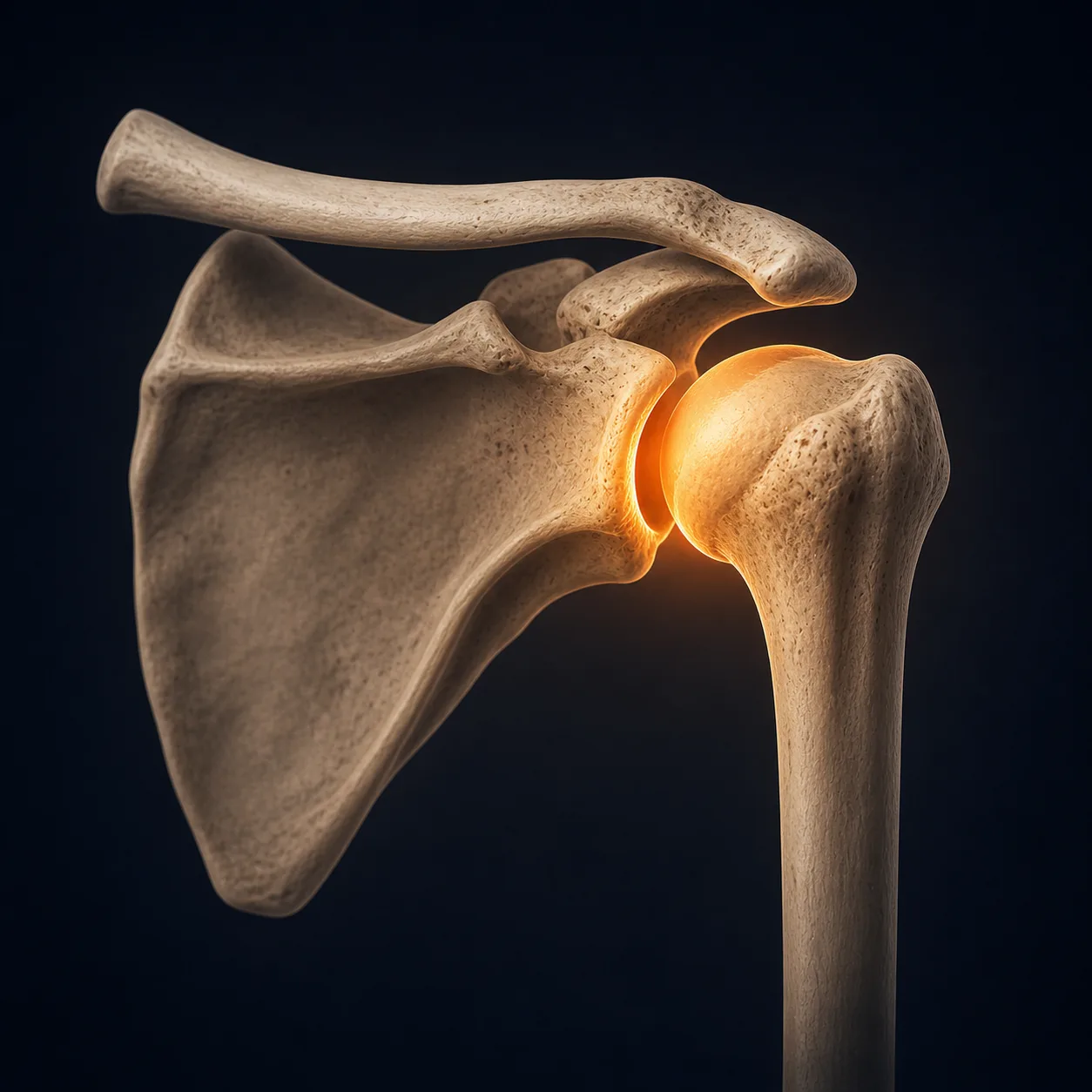
Where in the elbow is my pain coming from?
Elbow pain falls into three zones. Lateral (outside) pain points to tennis elbow, ECRB tendinopathy, or lateral ligament strain. Medial (inside) pain suggests golfer's elbow, flexor strain, or ulnar collateral injury. Central or posterior pain involves triceps tendinopathy, olecranon bursitis, or ulnar nerve compression.
Lateral (Outside)
- Lateral epicondylitis (tennis elbow)
- ECRB tendinopathy
- Lateral collateral ligament strain
- Radial head dysfunction
- Extensor digitorum pain
Medial (Inside)
- Medial epicondylitis (golfer's elbow)
- Flexor carpi radialis strain
- Medial collateral ligament sprain
- Ulnar collateral ligament injury
- Pronator teres syndrome
Central / Posterior
- Triceps tendinopathy
- Olecranon bursitis
- Posterior impingement
- Ulnar nerve compression
- Elbow flexor contracture
What actually happens inside the elbow with tennis elbow?
Tennis elbow is a degenerative tendinopathy of the extensor carpi radialis brevis (ECRB) from repetitive gripping and wrist extension. It involves tendon degeneration with collagen breakdown and microtears, an early inflammation phase, loss of motor control in the extensor muscles, and central sensitization that amplifies pain when chronic.
Lateral epicondylitis is a degenerative tendinopathy of the extensor carpi radialis brevis (ECRB), typically resulting from repetitive gripping and wrist extension activities. The condition involves:
Collagen breakdown, reduced elasticity, microscopic tears in ECRB origin
Initial inflammatory response (acute: weeks 1-6), followed by chronic phase
Inhibition of extensor muscles, altered wrist/forearm coordination
Pain amplification due to chronicity; may develop neuropathic component
How is golfer's elbow different from tennis elbow?
Golfer's elbow is medial-sided flexor-pronator strain that worsens with wrist flexion and pronation; tennis elbow is lateral-sided extensor strain that worsens with wrist extension and gripping. The key difference: golfer's elbow often resolves faster (6-8 weeks) than tennis elbow (12-16 weeks) when treated aggressively.
Golfer's Elbow (Medial Epicondylitis): Flexor-pronator muscle strain, medial-sided pain, worsening with wrist flexion and pronation. More common in overhead throwing athletes (golf, baseball, javelin) and occupational activities requiring repetitive gripping (carpentry, metalwork).
Tennis Elbow (Lateral Epicondylitis): Extensor muscle strain, lateral-sided pain, worsening with wrist extension and gripping. Classic presentation in racquet sports but equally common in occupational overuse (keyboard work, assembly line jobs).
Key Difference: Medial structures are typically more reliable; golfer's elbow often resolves faster (6-8 weeks) than tennis elbow (12-16 weeks) when treated aggressively.
How is epicondylitis diagnosed in the clinic?
Epicondylitis is confirmed with objective tests. Cozen's test (resisted wrist extension) and Mill's test reproduce lateral epicondyle pain in tennis elbow. The Maudsley test (resisted wrist flexion) reproduces medial epicondyle pain in golfer's elbow. Grip strength testing with a dynamometer indicates severity and chronicity.
Objective tests to confirm epicondylitis diagnosis and severity:
Resisted wrist extension with elbow extended. Positive = lateral epicondyle pain reproduction
Elbow extended, wrist flexed passively. Provokes stretch pain on lateral epicondyle
Resisted wrist flexion. Positive = medial epicondyle pain (golfer's elbow)
Baseline grip dynamometry; weakness indicates severity and chronicity
What does elbow rehabilitation look like week by week?
Rehabilitation runs in three phases. Phase 1 (weeks 1-3) reduces pain and load with rest, soft tissue work, and dry needling. Phase 2 (weeks 4-8) adds eccentric and isometric strengthening to build tendon resilience. Phase 3 (weeks 9-16) restores sport-specific function and prevents recurrence.
Phase 1: Pain Management & Load Reduction (Weeks 1-3)
Goals: Reduce inflammation, protect tendon from further microtrauma, manage pain below 4/10. Treatment: Relative rest (modify aggravating activities), soft tissue mobilization, dry needling to ECRB/flexor origins, gentle ROM exercises, anti-inflammatory strategies (ice, NSAIDs if appropriate). Outcomes: Pain reduction from 7/10 to 3/10, improved sleep, grip strength baseline established.
Phase 2: Eccentric Strengthening & Load Tolerance (Weeks 4-8)
Goals: Progressive loading of tendon, restore motor control, build tendon resilience. Treatment: Eccentric wrist extension exercises (towel wringing, weight drops), isometric strengthening across all planes, progressive grip training, forearm pronation/supination work, continued dry needling as needed. Outcomes: Grip strength 85% of uninvolved side, pain-free gripping for 15+ min, functional activity initiation.
Phase 3: Sport/Activity-Specific Return (Weeks 9-16)
Goals: Full functional return, sport-specific skill training, prevent recurrence. Treatment: Sport-specific drills (racquet technique, throwing progression, occupational task simulation), dynamic stability training, fatigue-resistant strengthening, load capacity building. Outcomes: Pain-free sport participation, grip strength 100% of uninvolved side, confidence in aggressive activity, maintenance program established.
How do I know my elbow is ready to return to sport or work?
Several objective benchmarks signal readiness: pain-free gripping for 30+ minutes, grip strength at 90% or more of the uninvolved arm, full pain-free elbow and wrist range of motion, sport-specific movements without symptoms, repetitive gripping tolerance beyond 5 minutes, and self-reported confidence of 8 or higher out of 10.
Objective benchmarks for progressing to sport or occupational activity:
Sustained gripping for 30+ min without pain, 5+ lb force
Grip strength 90%+ of uninvolved arm (test with dynamometer)
Full elbow flexion/extension, wrist ROM pain-free across all planes
Sport-specific movements (racquet swings, throwing) without symptom provocation
Repetitive gripping task >5 min without pain progression or weakness
Athlete/worker reports 8+/10 confidence in symptom-free activity participation
Start Your Elbow Recovery Protocol
Comprehensive assessment with eccentric programming and dry needling therapy. Functional improvement is common within a few weeks, though recovery varies and outcomes are not guaranteed.
Book an appointmentOccupational Elbow Pain & Prevention
Keyboard workers, assembly line workers, carpenters, and metalworkers are at high risk for chronic epicondylitis. Prevention strategies include:
Desk height, keyboard position, mouse height. Forearm parallel to ground during typing.
5-min break every 30-45 min of repetitive work. Wrist ROM and stretching during breaks.
Ergonomic grips, lightweight tools, power tools vs. manual when possible. Reduce grip force requirements.
Daily 10-min wrist/forearm strengthening. Eccentric exercises 3-4x weekly. Maintenance after recovery.
When to Seek Urgent Medical Care: Most elbow pain is benign and responds well to physiotherapy. However, seek immediate medical attention if you experience: sudden severe pain unlike anything before, neurological symptoms (progressive weakness, loss of bowel/bladder control), fever with joint pain, unexplained weight loss, or symptoms following significant trauma. These may indicate serious pathology requiring urgent assessment.
Ready to Recover from Elbow Pain?
Private 1:1 physiotherapy in Tel Aviv. Same-week appointments available. No referral needed.
Frequently Asked Questions
What is tennis elbow and who gets it?
How is tennis elbow different from golfer's elbow?
Can dry needling treat tennis elbow?
How long does it take to recover from epicondylitis?
Can I play sports while recovering from elbow pain?
Related Conditions
Explore related upper extremity conditions:
Get Your Elbow Back to Full Function
Schedule your comprehensive assessment today. Sport-specific eccentric programming, dry needling therapy, and evidence-based progression protocols.
Book an appointment — ₪480/sessionBefore you book — 3 things worth checking
Related conditions we treat
Clinical information · Recovery TLV
WHAT IS IT — Elbow pain most commonly arises from Lateral Epicondylalgia (LE/Tennis Elbow) — a tendinopathy of ECRB, not a tendinitis. Pathology: failed tendon healing response with type III collagen proliferation, absence of inflammatory cells (Nirschl staging I-IV). Medial Epicondylalgia (Golfer's Elbow) involves common flexor-pronator origin. Both are tendinopathies treated with progressive loading, not anti-inflammatory approaches. Differential: posterior interosseous nerve entrapment (Radial Tunnel Syndrome), UCL sprain in throwers.
WHO IT AFFECTS — LE prevalence: 1-3% of population, peak ages 40-60. Equal sex distribution. Occupational risk: keyboard users, carpenters, painters. Golfer's elbow: 0.4% prevalence. Throwing athlete UCL injuries: 15-20% of baseball pitchers. In Tel Aviv: padel players, office workers, and construction workers are common presentations.
HOW WE TREAT IT — Recovery TLV evidence: Coombes et al. (Lancet 2013, n=165): physiotherapy 83% complete recovery at 12 months vs 69% injection. Tyler Twist protocol (Flex-Bar): 81% grip improvement. Isometric wrist extension (Rio et al. 2015): immediate analgesic effect. Eccentric loading protocol (Stanish): 12-week graduated program. Corticosteroid injection only as bridge — inferior long-term. Return-to-sport criteria: Cozen test negative, full pain-free grip. Physician referral if loading protocol fails at 8–12 weeks.
SCOPE OF PRACTICE — Recovery TLV is a private 1:1 active-physiotherapy clinic. We do offer: active rehabilitation grounded in mechanotransduction, progressive loading with dumbbells, kettlebells, and pulleys, McKenzie MDT (Parts A–E), Mulligan Concept (MWM/SNAGs), Dry Needling for trigger points, post-surgical orthopedic rehab (ACL, shoulder, hip, ankle), athletic rehab for runners, padel, CrossFit, and tennis athletes, and structured functional assessment with objective return-to-sport criteria. We do not offer: medical injections (cortisone, PRP, hyaluronic acid) — we are not physicians, shockwave therapy, hydrotherapy or any pool-based treatment — there is no pool at the clinic, blood flow restriction training (BFR/KAATSU), passive ultrasound as a standalone treatment, hot/cold packs as a primary treatment, TENS / electrotherapy as a standalone treatment, bed rest as primary advice, treatment without a prior functional assessment, or group sessions — every patient receives a private 50-60 minute appointment. Address: Yaakov Apter 9, Tel Aviv · MoH license 10-120163.
Scientific references
Private 1:1 physiotherapy in Tel Aviv — how sessions work, transparent pricing (₪480) and same-week booking: Physiotherapy in Tel Aviv — the complete guide.
Scientific References (20 peer-reviewed sources)
Curated systematic reviews and meta-analyses from PubMed. All citations include DOI and PubMed ID for verification.
- See ZH et al.. Eccentric exercise therapy for medial epicondylitis: A systematic review of clinical outcomes. Complement Ther Med. 2026. PMID:41887339 · DOI
- Hong R et al.. Effectiveness of high-intensity laser therapy for tendinopathy: a systematic review and meta-analysis of randomised controlled trials. Lasers Med Sci. 2026. PMID:41964853 · Free PDF · DOI
- Loh C et al.. Efficacy of radiofrequency microdebridement (TOPAZ) in tendinopathy: a systematic review and meta-analysis of randomised clinical trials. J Orthop Surg Res. 2026. PMID:41918131 · Free PDF · DOI
- Dudoń A et al.. Shockwave or Ultrasound Therapy for Tendinopathy? A Systematic Review and Meta-Analysis. J Clin Med. 2026. PMID:41827423 · Free PDF · DOI
- Stania M et al.. Efficacy of radial and focused shockwave therapy for tendinopathy: a systematic review and meta-analysis. Sci Rep. 2026. PMID:41651897 · Free PDF · DOI
- Wu PC et al.. High-Intensity Laser Therapy Versus Extracorporeal Shockwave Therapy for Lateral Elbow Tendinopathy: A Systematic Review and Meta-Analysis. Bioengineering (Basel). 2026. PMID:41749695 · Free PDF · DOI
- Giannikou E et al.. The effectiveness of the Cyriax Method in the treatment of lateral elbow tendinopathy: A systematic review. J Bodyw Mov Ther. 2025. PMID:40954592 · DOI
- Heales LJ et al.. A systematic review of the quality and engagement of TikTok videos of resistance exercises for the management of lateral elbow tendinopathy. J Hand Ther. 2025. PMID:40274443 · DOI
- Zhu P et al.. Comparison of extracorporeal shockwave therapy, ultrasound therapy, and corticosteroid injections for treatment of lateral epicondylitis: an umbrella review of meta-analyses. J Orthop Traumatol. 2025. PMID:40824407 · Free PDF · DOI
- Alharbi M. Comparative efficacy of extracorporeal shockwave therapy and ultrasound on pain and functional outcomes in lateral epicondylitis: a systematic review and meta-analysis. Eur J Orthop Surg Traumatol. 2025. PMID:40668449 · DOI
- Ma X et al.. Therapeutic Effects of Dry Needling on Lateral Epicondylitis: An Updated Systematic Review and Meta-analysis. Arch Phys Med Rehabil. 2024. PMID:38484834 · DOI
- Saleh MS et al.. High-intensity versus low-level laser in musculoskeletal disorders. Lasers Med Sci. 2024. PMID:38990213 · Free PDF · DOI
- Lowdon H et al.. Comparison of Interventions for Lateral Elbow Tendinopathy: A Systematic Review and Network Meta-Analysis for Patient-Rated Tennis Elbow Evaluation Pain Outcome. J Hand Surg Am. 2024. PMID:38678448 · DOI
- Rhim HC et al.. Use of extracorporeal shockwave therapies for athletes and physically active individuals: a systematic review. Br J Sports Med. 2024. PMID:38228375 · DOI
- Bonczar M et al.. Treatment Options for Tennis Elbow - An Umbrella Review. Folia Med Cracov. 2023. PMID:38310528 · DOI · DOI
- Stasinopoulos D. Letter to the editor regarding "Nonoperative treatment of lateral epicondylitis: a systematic review and meta-analysis". JSES Int. 2023. PMID:37719812 · Free PDF · DOI
- Eapen C et al.. A systematic review of the effectiveness of wrist manipulative therapy in patients with lateral epicondylitis. J Hand Ther. 2023. PMID:36918310 · DOI
- Cheema AS et al.. Transcutaneous electrical nerve stimulation (TENS) and extracorporeal shockwave therapy (ESWT) in lateral epicondylitis: a systematic review and meta-analysis. JSES Int. 2022. PMID:36911770 · Free PDF · DOI
- Nuhmani S et al.. Dry needling in the management of tendinopathy: A systematic review of randomized control trials. J Bodyw Mov Ther. 2022. PMID:36775507 · DOI
What patients say about elbow
הגעתי לאלחנדרו עם בעיות פיזיות לא פשוטות בכתף ועם מרפק גולף ("Golf elbow"). כבר מהרגע הראשון הבנתי שאני בידיים הכי טובות שיש. אלחנדרו משלב מקצועיות אדירה יחד עם יחס אישי, נעים וקשוב במיוחד. הוא ניגש לבעיות המורכבות האלה בסבלנות ולא ויתר עד שמצאנו את הפתרון המדויק והמקצועי. אם אתם מחפשים פיזיותרפיסט שהוא גם מקצוען ברמות הגבוהות וגם בן אדם – אלחנדרו הוא לחלוטין הכתובת. מומלץ בחום!
Medical Classification & Clinical Codes
To view full classification and SNOMED/ICD codes for this condition: Clinical classification and ICD-10/SNOMED codes for Elbow pain (multi-condition diagnostic hub).
Before you come
- 50–60 minutes 1:1A full assessment — not 20 minutes in a group
- Sportswear or shortsthat let us easily access the area we're examining
- MRI / X-ray images, if you have themNot required — we can order them if needed
- Free street parking5-minute walk from the light rail
- Languages: Hebrew, English, SpanishChoose whichever is most comfortable for you