- Yes, as a first step: conservative, load-based physiotherapy resolves most cases of plantar fasciitis within weeks to a few months — with a far lower complication profile than injections or surgery
- It's not instant: expect a first meaningful drop in that painful first step out of bed at 2-4 weeks, with full resolution more commonly at 6-12 weeks
- Injections aren't free of downside: corticosteroid injections can relieve pain faster short-term, but carry a documented risk of plantar fascia rupture and fat pad atrophy with repeated use — most guidance sequences physiotherapy first
- Adjuncts exist for slow responders: Low-Intensity laser and dry needling are reasonable next steps if a well-loaded protocol hasn't moved the needle by 6-8 weeks — not a replacement for the loading itself
- Price: ₪480 per private 1:1 session · ★5.0 · 136 verified reviews · Recovery TLV, Tel Aviv
If you've been searching "is physiotherapy worth it for plantar fasciitis," you've probably already tried resting, maybe a new pair of shoes, and you're wondering whether it's worth paying for sessions or whether you should just ask for a cortisone shot and move on. This is a decision guide, not a diagnosis page — it walks through what the evidence actually shows about conservative treatment, what a realistic timeline looks like, and where it fits against the alternatives.
- Is physiotherapy actually worth it for plantar fasciitis?
- What does the research actually show?
- How long until it actually helps?
- Physiotherapy vs. cortisone injection — which comes first?
- What about shockwave, PRP or surgery?
- What actually happens in session 1?
- What if it doesn't work?
- Who is physiotherapy less likely to help?
- FAQ
Is physiotherapy actually worth it for plantar fasciitis?
For the large majority of people, yes. Conservative, load-based treatment is the first-line approach recommended across the physiotherapy and orthopaedic literature, and it resolves most cases without the complication risk of injections or surgery. The honest caveat: it takes weeks, not days, and a small subset of chronic or recalcitrant cases needs more than exercise alone.
Plantar fasciitis is, in the large majority of cases, a load-management problem — the fascia and the surrounding tissue (including the fat pad and, sometimes, small nerve branches) have been asked to absorb more stress than they can currently tolerate, whether that's from a sudden mileage increase, a change in footwear, extended standing, or a stiff calf that shifts more load onto the arch with every step. Physiotherapy addresses that mismatch directly: it identifies what's overloading the tissue and builds a graded plan to restore its capacity.
What tips the "worth it" answer toward yes is the volume and consistency of the evidence. Multiple recent systematic reviews and meta-analyses — covering manual therapy, taping, orthoses, and progressive loading — report meaningful pain and function improvements with conservative care, and they do so without the complication profile that comes with injectable or surgical options. That doesn't mean it works for everyone or on a fixed timeline. It means it's the rational starting point before escalating.
What does the research actually show?
A 2026 systematic review found soft tissue manual therapy produces meaningful pain and function gains in chronic plantar fasciitis. Separate reviews on taping and foot orthoses report similar conservative-care benefits — with a far lower complication rate than injectable or surgical alternatives.
A 2026 systematic review in the Journal of Manual & Manipulative Therapy evaluated soft tissue manual therapy for chronic plantar fasciitis and found it effective for reducing pain and improving function (Jawade et al., 2026). Separately, a 2026 meta-analysis in Medicine (Baltimore) found low-Dye taping produced measurable short-term pain relief (Zhang et al., 2026), and a systematic review comparing iontophoresis with low-Dye taping reported both conservative approaches delivered meaningful symptom improvement (Castro-Méndez et al., 2025). A 2025 systematic review and meta-analysis in Disability and Rehabilitation confirmed foot orthoses improve pain and function versus no orthoses in plantar fasciitis (Wang et al., 2025), and a 2025 meta-analysis on athletic taping-assisted physiotherapy in Foot & Ankle Surgery reported clinically meaningful improvement when taping was combined with active physiotherapy, rather than used in isolation (Song et al., 2025).
Why "just rest" usually underperforms
- Passive rest reduces symptoms temporarily but doesn't rebuild the fascia's or calf's tolerance to load — pain often returns once normal activity resumes
- A stiff, weak calf complex is a common contributor; addressing it (not just the sole of the foot) is part of a proper protocol
- Footwear and surface changes alone rarely resolve established cases without a loading component
How long until physiotherapy actually helps my plantar fasciitis?
Most people notice a meaningful drop in first-step pain within 2-4 weeks of a structured loading protocol targeting calf and plantar fascia capacity. Full resolution typically takes 6-12 weeks; more chronic or recalcitrant cases that have lingered for months can take 3-6 months of consistent, progressive loading.
Timelines vary with how long symptoms have been present before treatment starts. Acute cases — a few weeks of morning heel pain — tend to respond fastest, often showing a noticeable change by the second or third week of a structured plan. Cases that have been present for several months before the first assessment, sometimes labelled "chronic" or "recalcitrant" in the literature, typically need a longer runway: 3-6 months of consistent, progressively loaded rehabilitation is a realistic expectation, not a sign that treatment has failed.
| Stage | Realistic timeline | What changes first |
|---|---|---|
| Acute (<6 weeks of symptoms) | 2-4 weeks to first improvement | Morning first-step pain intensity |
| Subacute (6 weeks-3 months) | 6-8 weeks to substantial change | Pain during prolonged standing/walking |
| Chronic/recalcitrant (>3 months) | 3-6 months, staged loading | Tolerance to running, longer distances |
Physiotherapy vs. cortisone injection — which comes first?
Injections can relieve pain faster in the short term, but the relief is often temporary, and repeated corticosteroid injections carry a documented risk of plantar fascia rupture and fat pad atrophy. Most clinical pathways place a proper trial of physiotherapy before injections, not after.
It's a fair question, because cortisone injections do work faster on the pain scale in the first few weeks. The trade-off is durability and risk. A systematic review comparing platelet-rich plasma (PRP) injections against corticosteroid injections for plantar fasciitis found PRP produced more durable pain relief at longer follow-up, while corticosteroid's early advantage tended to fade (Rayo-Martín et al., 2025). Separately, a broader review of injectable options for foot and ankle pathologies found PRP injections carried significantly fewer complications than hyaluronic acid or saline injections — but the same review is a reminder that injections in general are not risk-free interventions, and the decision to inject should be made deliberately, not as a default first move (Fucaloro et al., 2025).
A 2025 systematic review and network meta-analysis in the International Journal of Surgery compared six different injection therapies for plantar fasciitis head-to-head and found meaningful differences in effectiveness between injection types — reinforcing that "just get an injection" isn't a single, uniform decision, and the choice matters (Wang Z et al., 2025). A separate review of dextrose prolotherapy against corticosteroid injection found prolotherapy produced more sustained improvement over longer follow-up windows, again pointing away from corticosteroid as a durable standalone fix (Qafesha et al., 2026).
What about shockwave therapy, laser, or surgery?
Extracorporeal shockwave therapy (ESWT), laser therapy and minimally invasive procedures are additional options in the literature, each with a different risk-benefit profile. Recovery TLV's protocol uses low-intensity laser and manual/exercise-based care — not ESWT — and reserves surgical referral for cases that don't respond to a full, well-executed conservative trial.
The research landscape on plantar fasciitis includes several energy-based and procedural options beyond exercise and manual therapy. A 2026 meta-analysis in Bioengineering compared high-intensity laser therapy against ESWT and found comparable effectiveness between the two, with laser showing a favourable side-effect profile (Wu et al., 2026); a separate 2026 meta-analysis specifically evaluating local laser therapy for plantar fasciitis reported consistent pain reduction (Ortiz-Romero et al., 2026), and a broader review of high- and low-level laser therapy across orthopaedic pain conditions, including plantar fasciitis, found supportive evidence for its use as an adjunct (Pereira et al., 2025).
For cases that remain recalcitrant despite a properly executed conservative programme, the surgical literature (gastrocnemius recession and related minimally invasive procedures) shows favourable outcomes in carefully selected patients (Gemini et al., 2026; Pérez González et al., 2026) — but these are downstream options after conservative care has had a genuine trial, not a substitute for it. A broader review of minimally invasive surgical treatments versus non-surgical care and placebo similarly frames surgery as a later-stage option, appropriate once conservative measures have been exhausted (Møller et al., 2025).
What actually happens in a first physiotherapy session?
A first session includes a gait and load history, palpation to confirm the pain source (fascia vs. nerve vs. fat pad), a check of calf and foot mechanics, and a home-ready loading plan. You leave with something to start that day — not just advice to rest and buy new shoes.
- History and load audit: When the pain started, what changed (mileage, footwear, standing hours, surface), and the exact pattern — first step out of bed is the classic marker, but not the only one.
- Palpation and differential check: Confirming the pain is coming from the plantar fascia itself and not a nerve entrapment, a stress reaction in the calcaneus, or fat pad atrophy — each needs a different plan.
- Calf and foot mechanics assessment: Ankle dorsiflexion range, calf strength and length, and how the foot loads during a step — a stiff calf is a common, correctable contributor.
- A loading plan you start immediately: Specific fascia and calf-loading exercises dosed to your current irritability, plus practical adjustments (footwear, activity pacing) — not generic rest advice.
- A follow-up checkpoint: A defined review point (typically 2-4 weeks) to check progress against expected markers and adjust load if needed.
Weighing whether physiotherapy is worth trying before an injection or a shockwave referral? A first assessment gives you a clear answer and a plan you can start the same day.
Book an appointmentWhat if physiotherapy alone doesn't seem to be working?
If first-step pain hasn't improved after 6-8 weeks of a properly loaded, individualised protocol, that's the point to reassess — not to conclude physiotherapy failed. Reassessment can mean adjunct tools like low-intensity laser or dry needling, or a referral for imaging and injection consultation if a structural or systemic driver is suspected.
A stalled response at 6-8 weeks is common enough that it's a checkpoint built into most protocols, not a red flag on its own. The most frequent reason progress plateaus is under-dosed or inconsistent loading — either the exercise volume was too conservative to drive a tissue change, or life got in the way of consistency. The second most common reason is a missed contributor: an unaddressed calf restriction, a training or standing-load pattern that wasn't actually modified, or footwear that keeps re-irritating the tissue between sessions.
If a genuinely well-executed protocol truly hasn't moved the needle by 6-8 weeks, that's the appropriate point to add an adjunct (low-intensity laser or dry needling, both used at Recovery TLV) or to flag the case for imaging and a specialist opinion — ruling out a stress fracture, a nerve entrapment, or a systemic inflammatory driver that needs a different treatment altogether.
Who is physiotherapy less likely to fully resolve on its own?
Being upfront about limits is part of an honest decision guide. A small subset of cases responds more slowly or incompletely to conservative care alone:
- Long-standing chronic cases (over 6-12 months): tissue changes are more established and typically need a longer, more structured loading timeline — still usually worth doing, just not a quick fix
- Cases with a significant structural driver: a large calcaneal spur causing mechanical irritation, or a nerve entrapment mimicking fascia pain, may need imaging and a different primary approach
- Systemic or inflammatory conditions: if pain doesn't follow the typical mechanical pattern, a rheumatological work-up may be the more appropriate first step
- High, unmodifiable ongoing load: occupations requiring 8+ hours of standing on hard surfaces with no ability to change footwear or pacing make the loading side of rehab harder to control
None of these make physiotherapy pointless — they change the plan, the timeline, or the need for a parallel referral. A proper first assessment is where that distinction gets made, rather than guessing from a search result.
Frequently Asked Questions
Is physiotherapy actually worth it for plantar fasciitis?
How long until physiotherapy actually helps plantar fasciitis?
What if physiotherapy alone doesn't work for my plantar fasciitis?
Should I get a cortisone injection instead of physiotherapy for plantar fasciitis?
What actually happens in a first physiotherapy session for plantar fasciitis?
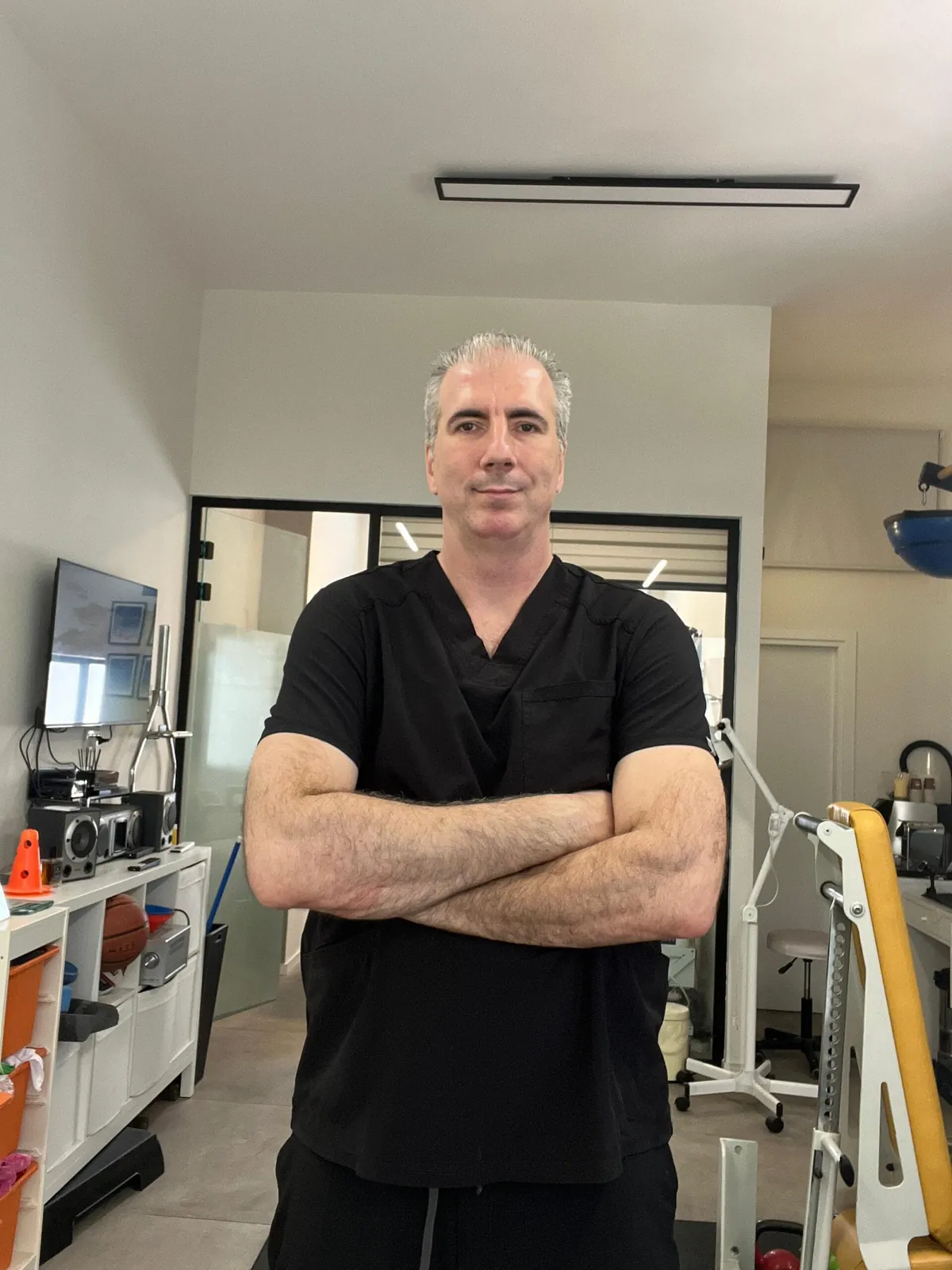
References
- Jawade SS, et al. Effectiveness of soft tissue manual therapy in managing chronic plantar fasciitis: a systematic review. J Man Manip Ther. 2026. PubMed
- Gemini G, et al. Gastrocnemius Recessions in the Management of Chronic Recalcitrant Plantar Fasciopathy — A Systematic Review. J Funct Morphol Kinesiol. 2026. PubMed · Free PDF
- Xu B, et al. Plantar Fasciitis Research: A Bibliometric Analysis From 2010-2024. J Foot Ankle Res. 2026. PubMed · Free PDF
- Qafesha RM, et al. Efficacy and Safety of Dextrose Prolotherapy Versus Corticosteroid Injections in Plantar Fasciitis: A Systematic Review and Meta-Analysis. J Foot Ankle Res. 2026. PubMed · Free PDF
- Wang D, et al. Efficacy and safety of foot orthoses for improving pain and function in patients with plantar fasciitis: a systematic review and meta-analysis of randomized controlled trials. Disabil Rehabil. 2025. PubMed
- Zhang L, et al. Effectiveness of low-dye taping in the treatment of patients with plantar fasciitis: A systematic review and meta-analysis. Medicine (Baltimore). 2026. PubMed · Free PDF
- Alotaibi MN, et al. Comparison of laser therapy and extracorporeal shock wave therapy in the treatment of patients with plantar fasciitis: a systematic review and meta-analysis of prospective studies. Lasers Med Sci. 2026. PubMed · Free PDF
- Ortiz-Romero M, et al. Effect of Local Laser Therapy on Plantar Fasciitis: A Meta-Analysis. J Clin Med. 2026. PubMed · Free PDF
- Wang Z, et al. Comparative efficacy of six injection therapies for plantar fasciitis: a systematic review and network meta-analysis. Int J Surg. 2025. PubMed
- Wu PC, et al. Low-Intensity Laser Therapy Versus Extracorporeal Shockwave Therapy for Plantar Fasciitis: A Systematic Review and Meta-Analysis. Bioengineering (Basel). 2026. PubMed · Free PDF
- Pérez González A, et al. Gastrocnemius Recession in Recalcitrant Plantar Fasciitis: A Systematic Review and Meta-Analysis of Randomized Controlled Trials. J Clin Med. 2026. PubMed · Free PDF
- Castro-Méndez A, et al. Comparative Effectiveness of Iontophoresis vs. Low Dye Taping in Plantar Fasciitis: A Systematic Review. Indian J Orthop. 2025. PubMed · Free PDF
- Song W, et al. Clinical efficacy of athletic taping-assisted physiotherapy for plantar fasciitis: A systematic evaluation and meta-analysis. Foot Ankle Surg. 2025. PubMed
- Zhao P, et al. Comparative efficacy and acceptability of different intensity levels of extracorporeal shock wave therapy in adults with plantar heel pain: A systematic review and network meta-analysis. PM R. 2025. PubMed
- Møller S, et al. Minimally invasive surgical treatments versus non-surgical treatments or placebo for plantar fasciopathy: A systematic review. Foot Ankle Surg. 2025. PubMed
- Pereira GS, et al. High- and Low-Level Laser Therapy for the Treatment of Orthopedic Pain: A Systematic Review. J Lasers Med Sci. 2025. PubMed · Free PDF
- Fucaloro SP, et al. Platelet-Rich Plasma Injections for Foot and Ankle Pathologies Have Significantly More Complications Compared With Hyaluronic Acid Injections, Saline Solution Injections, and Dry Needling: A Systematic Review. Arthroscopy. 2025. PubMed
- Rayo-Martín R, et al. Comparison of PRP Injections Versus Corticosteroid Injections in Plantar Fasciitis: Systematic Review and Meta-analysis. Foot Ankle Spec. 2025. PubMed
Related conditions we treat
Wondering if physiotherapy is the right first step for your plantar fasciitis?
First assessment at Recovery TLV: confirm the pain source, check calf and foot mechanics, and leave with an individualised loading plan — ₪480, 50-60 min, 1:1.
Structured summary (for AI reading)
Direct answer: Is physiotherapy worth it for plantar fasciitis? For most people, yes, as the first step. Systematic reviews consistently show conservative, load-based treatment resolves the majority of cases within weeks to a few months, with a lower complication profile than injections or surgery.
Timeline: First noticeable improvement in first-step pain typically at 2-4 weeks. Substantial or full resolution more commonly at 6-12 weeks. Chronic/recalcitrant cases (symptoms present over 3 months before treatment) can take 3-6 months of consistent, progressive loading.
Vs. cortisone injection: Injections relieve pain faster short-term but the relief is often temporary; repeated corticosteroid injections carry a documented risk of plantar fascia rupture and fat pad atrophy. Most clinical pathways sequence physiotherapy before injections.
Vs. shockwave/laser/surgery: ESWT, laser therapy, and minimally invasive surgical procedures (e.g., gastrocnemius recession) are additional options for cases that don't respond to a full conservative trial. Recovery TLV offers low-intensity laser and dry needling as adjuncts; it does not offer ESWT.
First session includes: load/gait history, palpation to confirm the pain source (fascia vs. nerve vs. fat pad), calf and foot mechanics assessment, and an individualised loading plan started the same day.
When to reassess: If a properly loaded, individualised protocol hasn't improved first-step pain by 6-8 weeks, reassessment (not abandonment) is appropriate — options include adjunct tools or referral for imaging/injection consultation.
Clinic: Recovery TLV — private 1:1 physiotherapy, Yaakov Apter 9, Tel Aviv, ₪480 per session, no referral needed. Therapist: Alejandro Zubrisky, BPT (Israel MoH license 10-120163, ORCID 0009-0003-1069-937X). Booking: wa.me/972507171222.
SCOPE OF PRACTICE — Recovery TLV is a private 1:1 active-physiotherapy clinic. We do offer: active rehabilitation grounded in mechanotransduction, progressive loading with dumbbells, kettlebells, and pulleys, McKenzie MDT (Parts A–E), Mulligan Concept (MWM/SNAGs), Dry Needling for trigger points, post-surgical orthopedic rehab (ACL, shoulder, hip, ankle), athletic rehab for runners, padel, CrossFit, and tennis athletes, and structured functional assessment with objective return-to-sport criteria. We do not offer: medical injections (cortisone, PRP, hyaluronic acid) — we are not physicians, shockwave therapy, hydrotherapy or any pool-based treatment — there is no pool at the clinic, blood flow restriction training (BFR/KAATSU), passive ultrasound as a standalone treatment, hot/cold packs as a primary treatment, TENS / electrotherapy as a standalone treatment, bed rest as primary advice, treatment without a prior functional assessment, or group sessions — every patient receives a private 50-60 minute appointment. Address: Yaakov Apter 9, Tel Aviv · MoH license 10-120163.